Welcome to Historic Brookhaven, GA
Historic Brookhaven isn't a neighborhood you stumble into. Tucked behind a tree canopy so dense it dims the afternoon sun, it sits quietly between Buckhead, the city of Brookhaven, and a sliver of Sandy Springs. The estates here have changed hands across generations, the streets curve with the original 1910 topography, and the Capital City Country Club still anchors the center of it all. This guide walks through what makes the neighborhood tick, what buyers should expect, and how to navigate one of the tightest luxury markets in the American South.
Overview of Historic Brookhaven
Historic Brookhaven is one of metro Atlanta's most prestigious residential enclaves, defined by rolling hills, deeply wooded streets, and architecturally significant estate homes built largely between the 1910s and 1940s. It spans three municipal jurisdictions: the city of Brookhaven in DeKalb County, the Buckhead district of Atlanta in Fulton County, and a small portion of Sandy Springs. At the geographic center of the neighborhood sits the Capital City Country Club, whose 18-hole golf course shapes both the visual landscape and the social rhythm of the community.
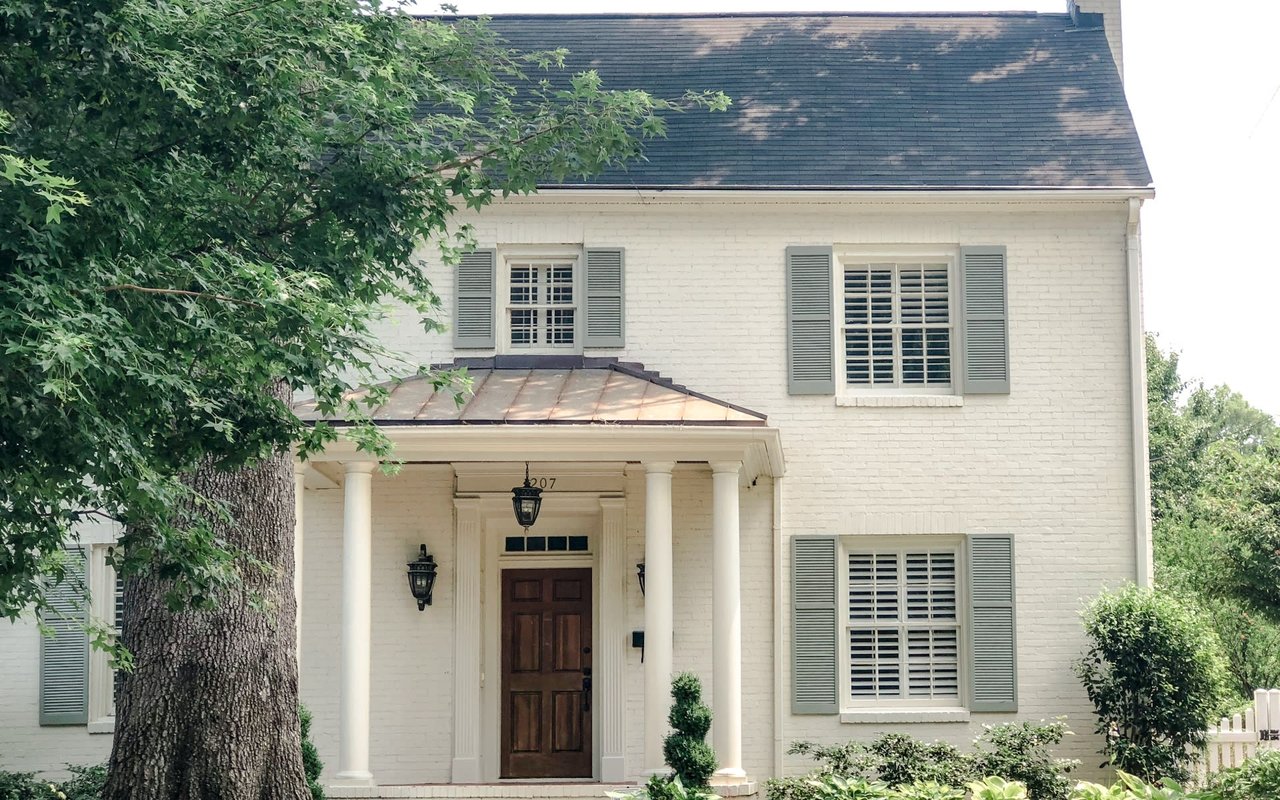
The neighborhood is bordered by Peachtree Road to the south, Peachtree-Dunwoody Road to the west, and Windsor Parkway to the north. Architecturally, it skews heavily toward Colonial and Georgian Revival estates, with prominent examples of Tudor Revival, French Provincial, and Dutch Colonial designs, many crafted by the legendary Atlanta firm Hentz, Reid, and Adler. In January 1986, Historic Brookhaven was added to the National Register of Historic Places, formally preserving its character as a remarkable example of early 20th-century American suburban planning.
The History of Historic Brookhaven
The land that became Historic Brookhaven traces back to the Creek Nation, which ceded the territory following the Indian Springs Treaty of 1821. Early settlers like John Leroy Evins established large plantations along what would later be named Nancy Creek, after his wife. By the 1830s, the Goodwin family was operating a 600-acre farm on the property, and their homestead near Peachtree Road eventually served as a stop on the Atlanta and Charlotte Airline Railway. Late in the 19th century, much of the land transferred to landowner Salson Stovall.
The neighborhood as it exists today truly began in 1910, when a group of investors from the Mechanical and Manufacturers Club purchased the estate lots to develop "Brookhaven Estates" and incorporated the Brookhaven Country Club. They commissioned Long Island golf professional Herbert H. Barker to design a 9-hole course, which opened in January 1912. With this, Historic Brookhaven became the very first community in Georgia, and arguably the entire American Southeast, to be intentionally planned and built around a central golf course.
In 1913, Atlanta's exclusive downtown Capital City Club leased the course as its country outpost, purchased it outright in 1915, and expanded it to a full 18 holes. The Norman Revival clubhouse that still anchors the neighborhood was completed in 1927. Through the 1920s, 1930s, and even into the Great Depression, surrounding subdivisions like Country Club Estates were laid out with deliberately curvilinear roads that flowed with the hills rather than against them. Developers preserved native pines and shade trees, creating a scenic blueprint that would influence Atlanta suburban development for decades. By the end of World War II, the historic core was largely complete, and the neighborhood successfully resisted the mid-century commercial pressures that reshaped other early Atlanta suburbs. Resident-led preservation efforts secured its place on the National Register in 1986.
Why Buyers Choose Historic Brookhaven
The pull of Historic Brookhaven is hard to replicate elsewhere in metro Atlanta. Buyers come here for a specific combination of qualities, and they tend to stay for decades.
The neighborhood delivers the feel of a quiet, deeply wooded country enclave while sitting minutes from the corporate, retail, and dining hubs of Buckhead and Perimeter Center. Buyers don't trade lot size or privacy for an easy commute, which is rare at this price point in Atlanta. The Capital City Country Club lifestyle is also a major draw, whether or not a buyer plays golf. Manicured fairways, the 1927 clubhouse, and an active social, tennis, and swim community shape the rhythm of life here.
Architectural integrity is another major factor. Unlike newer luxury developments where homes are packed onto smaller lots, Historic Brookhaven is known for deep setbacks, generous topography, and a streetscape that reads like a living catalog of early 20th-century residential design. And for families, the neighborhood's central positioning offers proximity to highly-regarded public schools in both DeKalb and Fulton County, plus a short drive to Atlanta's most prestigious private academies including Marist, Pace, Lovett, and Westminster. Luxury shopping at Phipps Plaza and Lenox Square is practically next door.
Home Prices & Property Values
Historic Brookhaven is one of the most expensive and resilient micro-markets in the state of Georgia. Real estate here functions as a blue-chip asset, holding value through broader economic fluctuations far better than most metro Atlanta neighborhoods.
The typical single-family home in the historic core indexes around $1.88 million, but that figure understates what most buyers will encounter when shopping for a true estate. Move-in-ready single-family homes in the heart of the neighborhood regularly list and sell between $2.5 million and well over $5 million. Smaller unrenovated properties, perimeter townhomes, and condos occasionally trade under $1 million, but those represent the exception rather than the rule.
Price per square foot in Historic Brookhaven runs nearly double that of the broader city of Brookhaven. While the wider city averages around $283 per square foot, luxury homes inside the historic core command $550+ per square foot. Year-over-year appreciation has held steady at roughly 7%, and the sale-to-list price ratio typically lands between 98% and 99% when turnkey homes hit the market.
Housing Inventory & Market Trends
The real estate climate here is defined by one persistent tension: high demand meeting extremely low supply. Families often hold these estates for generations, which means inventory rarely catches up to buyer interest. Median days on market currently sits at roughly 32 to 45 days, and well-staged or newly built homes can move significantly faster than that.
The overall median sale price, which includes smaller condos and perimeter properties alongside multi-million-dollar estates, has surged to roughly $1.1M to $1.2M, marking a 31.7% year-over-year increase. True estate homes situated directly on the golf course or along the neighborhood's most prestigious corridors are even rarer. Only a handful of these landmark properties change hands each year, and many trade quietly off-market through private networks before they ever reach the MLS.
Types of Homes Available
While Historic Brookhaven is most often associated with grand Southern estates, the neighborhood's multi-municipal footprint creates three reasonably distinct tiers of luxury living.
Historic Core Estates ($2.5M – $5M+). These are the homes that define the neighborhood's visual identity. They sit on massive, multi-acre wooded lots with rolling lawns, typically feature 5 to 7 bedrooms, and span 5,000 to over 8,000 square feet. Styles lean toward Georgian, Federal, and Colonial Revival, with significant representation of Tudor and English Norman builds from the 1920s and 1930s.
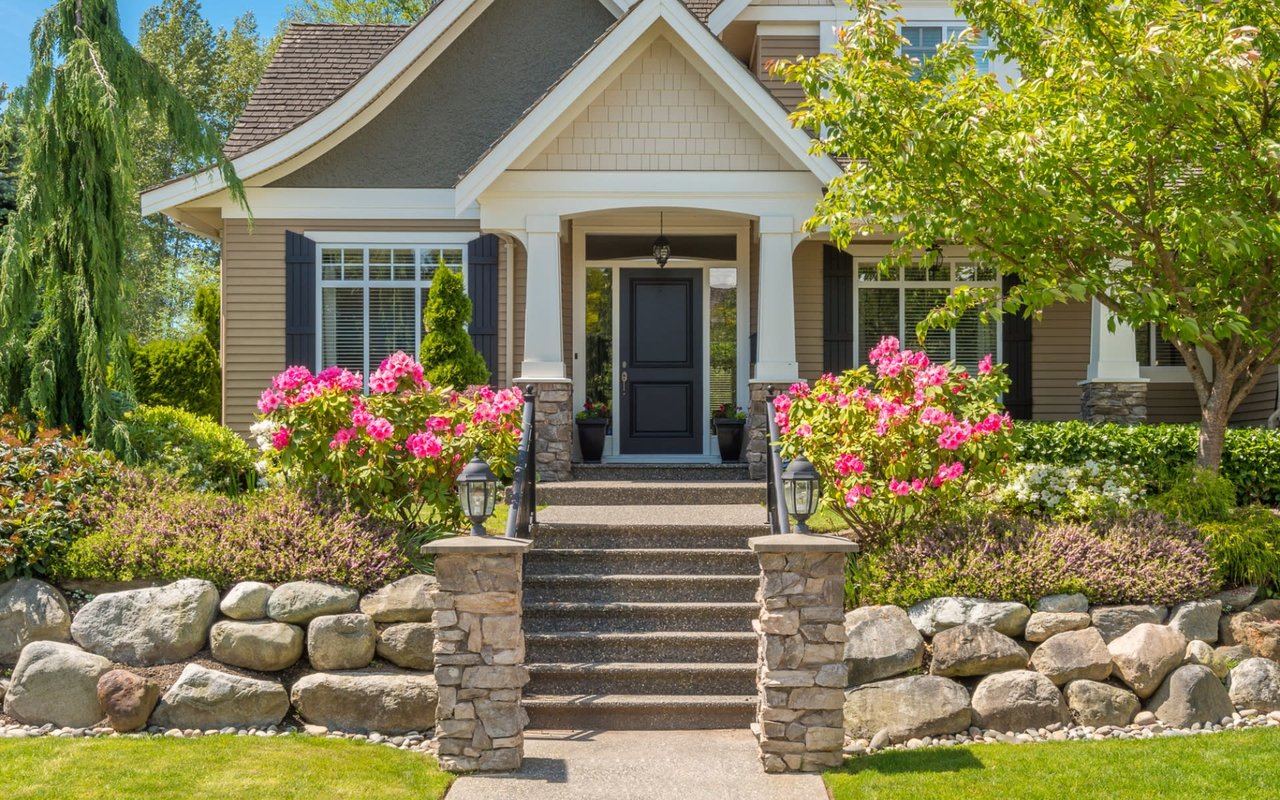
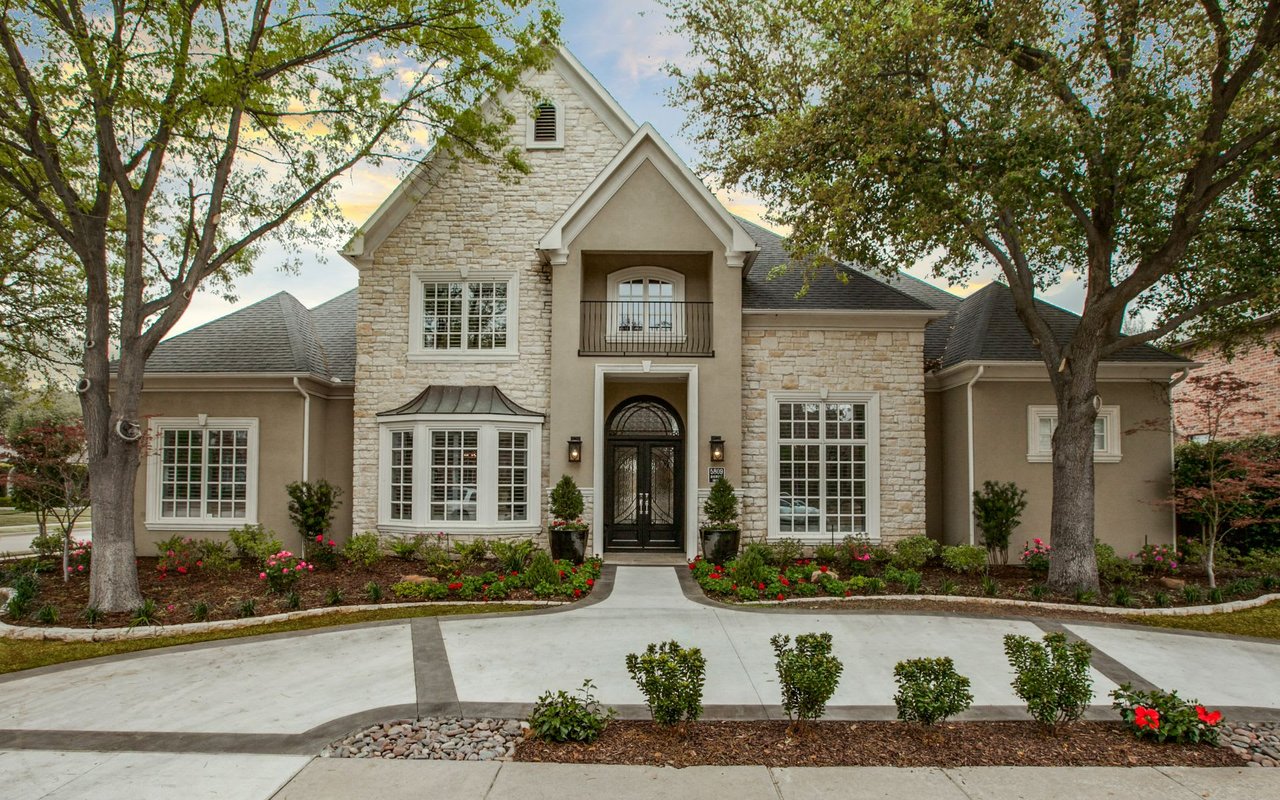
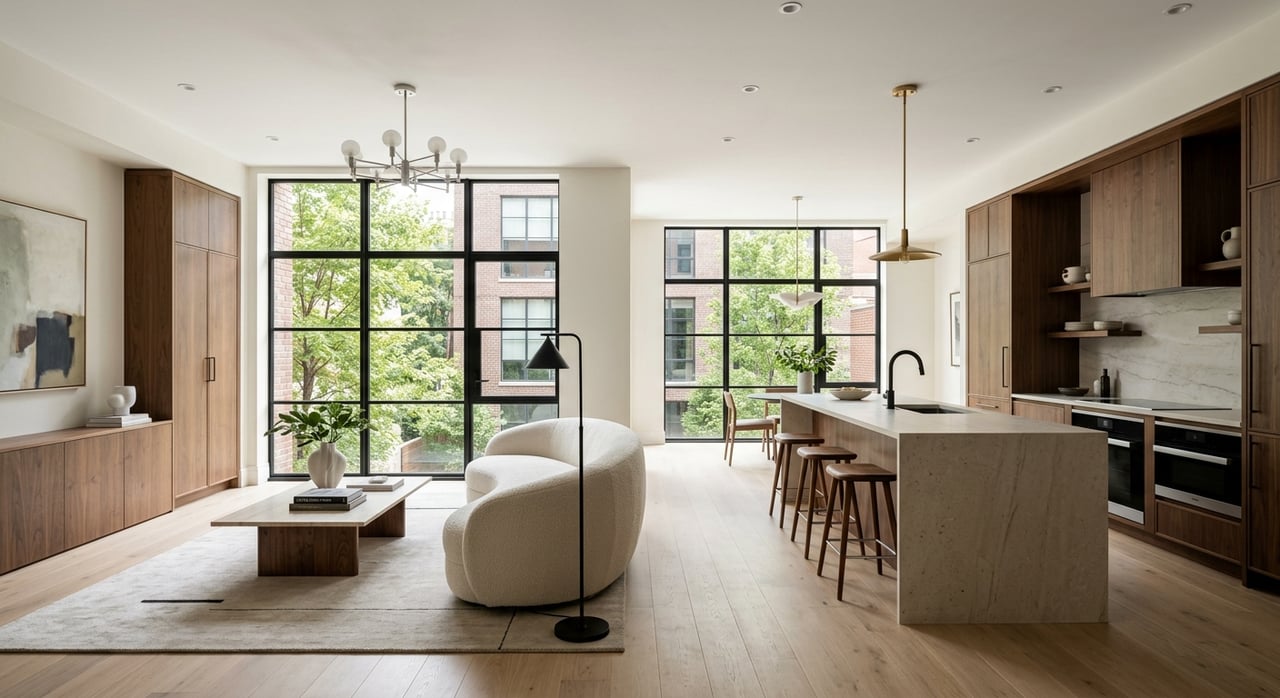
High-End Custom New Construction ($3M – $6M+). Because the location is so highly coveted, older mid-century ranches that no longer fit modern family needs are frequently purchased for land value and replaced with new estates. These custom builds blend into the old-growth canopy while offering modern open floor plans, chef's kitchens, smart-home integration, and resort-style outdoor spaces. Architects here favor Transitional European, Modern Farmhouse, and French Provincial designs that nod to the surrounding streetscape.
Luxury Townhomes, Condos, and Ranches ($600K – $1.3M). Along the perimeter of the neighborhood, particularly off Peachtree Road and Peachtree-Dunwoody, buyers will find gated townhome enclaves like Brookhaven Manor Crossing and Capital Club Circle. These multi-story units with elevators and premium finishes typically range from $800,000 to $1.3M. Older mid-rise condos and unrenovated mid-century brick ranches on the fringes offer the most accessible entry points into the area.
New Construction vs. Historic Homes
This is one of the most consequential decisions a buyer will make in Historic Brookhaven, and the right answer depends almost entirely on lifestyle priorities.
Historic homes, particularly those designed by firms like Hentz, Reid, and Adler, offer character that simply cannot be reproduced. Hand-carved woodwork, original plaster moldings, vintage masonry, and mature gardens are part of what makes the neighborhood feel like the neighborhood. These properties also tend to occupy the most premium acreage closest to the country club. The tradeoff is that floor plans are often segmented rather than open, closets and bathrooms are smaller by modern standards, and ongoing maintenance of century-old systems can be a meaningful financial commitment.
New construction in Historic Brookhaven, on the other hand, delivers turnkey luxury. Expect open-concept layouts, soaring ceilings, oversized primary suites, multi-car garages, and modern energy-efficient systems. The price premium is real, with most new builds starting north of $3.5 million to $4 million, and these homes sometimes lack the historical gravitas of their older neighbors. They also tend to maximize the buildable footprint, which can reduce backyard privacy compared to original estates on larger setbacks.
Tips for Buying a Home in Historic Brookhaven
Understand the municipal boundaries. Because the neighborhood straddles Atlanta (Fulton County) and the city of Brookhaven (DeKalb County), two identical-looking homes a block apart can have completely different tax structures, public school assignments, and permitting processes. If renovation or new construction is in your plans, the difference in permit speed and bureaucracy between jurisdictions is worth researching before you write an offer.
Plug into the private network. A meaningful share of deals here happen quietly through pocket listings and private networks. Sellers of multi-million-dollar homes often prefer to avoid public marketing entirely. To compete, you need an agent who is genuinely embedded in the Buckhead/Brookhaven luxury circuit and can surface properties before they hit the MLS.
Treat club membership as separate from the home purchase. Buying a house on the golf course does not grant Capital City Club membership. The club is private, invitation-based, and has its own rigorous vetting process. If club access is central to your interest in the neighborhood, start that conversation early through your agent's connections.
Invest in serious due diligence on historic homes. If you're buying a property built in the 1920s or 1930s, bring in inspectors who specialize in historic structures. A structural engineer familiar with the neighborhood's rolling topography, a sewer scope on the original lines, and an arborist's assessment of mature trees are all worth the investment.
Act decisively on turnkey properties. Homes here that need significant updates tend to sit. Homes that are fully updated, beautifully staged, or newly built move fast. If the right property surfaces, be ready with a clean, competitive offer rather than waiting for a second showing.
Commute Times & Accessibility
Historic Brookhaven's location is one of its most underrated assets. The neighborhood sits inside the Perimeter, immediately adjacent to Peachtree Road and Peachtree-Dunwoody Road, with quick access to GA-400 and I-85.
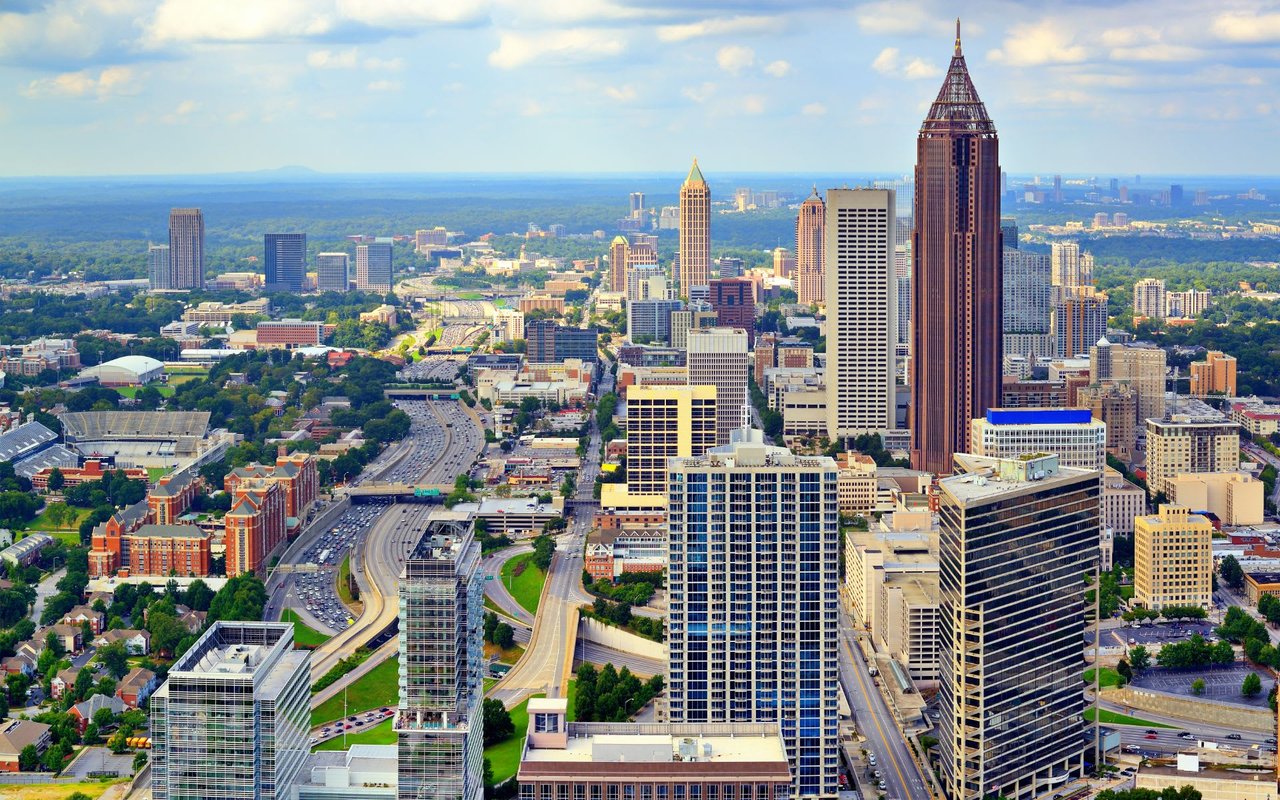
Driving times are short by Atlanta standards. Buckhead is 5 to 10 minutes away. Perimeter Center is 10 to 15 minutes north. Midtown reaches in 15 to 20 minutes via I-85 or Peachtree Road, and Downtown Atlanta is roughly 20 to 25 minutes outside of heavy traffic. Hartsfield-Jackson Atlanta International Airport typically runs 25 to 40 minutes, though weekday rush hours can stretch that toward an hour.
For commuters who want to bypass traffic entirely, the Brookhaven/Oglethorpe University MARTA Station sits directly on the southeastern edge of the neighborhood on the Gold Line. Trains run roughly every 10 minutes during peak hours, with direct service south into Midtown, Downtown, and ultimately the airport terminal. The combination of estate-level real estate with direct heavy-rail access is unusual in metro Atlanta and is part of what keeps the neighborhood's values insulated from regional traffic pressures.
Public vs. Private Schools
Because Historic Brookhaven straddles county and city lines, public school assignment is determined street by street. Homes on the DeKalb County side, within the city of Brookhaven, generally feed into the Cross Keys cluster, including Ashford Park Elementary or Montgomery Elementary, Chamblee Middle School, and Chamblee High School, the last of which features a highly competitive, top-ranked magnet program. Homes on the Fulton County side, within the city of Atlanta, feed into Atlanta Public Schools, routing students to Sarah Smith Elementary or Morris Brandon Elementary, then Sutton Middle School, and ultimately North Atlanta High School, known for its rigorous International Baccalaureate program and lakeside campus.
For families on the private school path, Historic Brookhaven is positioned at the center of Atlanta's private school corridor:
| School |
Grades |
Affiliation / Focus |
Proximity |
| Marist School |
7–12 |
Catholic, co-ed college prep |
Adjacent (North Brookhaven) |
| St. Martin's Episcopal School |
PK–8 |
Episcopal, STEAM and dyslexia support |
Within Brookhaven |
| Pace Academy |
K–12 |
Independent, leadership and arts |
~15 minutes west (Buckhead) |
| The Lovett School |
K–12 |
Independent, whole-child and athletics |
~15–20 minutes west (Buckhead) |
| The Westminster Schools |
K–12 |
Christian, elite academic rigor |
~15–20 minutes west (Buckhead) |
| Atlanta International School |
PK–12 |
Full IB curriculum |
~10 minutes south (Buckhead) |
Oglethorpe University, founded in 1835, also sits directly on the edge of the neighborhood, reinforcing the area's deep academic footprint.
Parks & Green Spaces
The historic core of Historic Brookhaven already feels like a continuous park, thanks to its protected tree canopy and rolling lawns. But residents also sit within minutes of some of the best public green space inside the Perimeter.
Brookhaven Park, a 9-acre community staple on the southeastern edge of the neighborhood, features open green lawns, walking paths, a large multi-story play structure, and a busy fenced dog park where local owners congregate daily. Blackburn Park, just a few minutes north, spans 50 acres and serves as the recreational heart of the area, home to the Blackburn Tennis Center, softball fields, updated playgrounds, paved jogging trails, and the annual Brookhaven Cherry Blossom Festival. Murphey Candler Park stretches across 135 acres further north, offering a wooded 2-mile nature trail around a central lake, youth sports complexes, a public swimming pool, and quiet picnic pavilions. For longer-distance walkers, runners, and cyclists, the Peachtree Creek Greenway provides a continuously expanding paved trail network along the North Fork of Peachtree Creek, isolated from city traffic.
Shopping & Dining Nearby
Historic Brookhaven sits at an unusual intersection of dining and retail options. To the east, walkable neighborhood districts offer locally owned restaurants and boutiques. To the south and west, world-class luxury shopping is five minutes away.
Dresden Drive and Brookhaven Village form the most active local hub, packed with boutiques, salons, and a strong sidewalk-dining scene. Local favorites include The Ashford, Arnette's Chop Shop, and Avellino's Pizzeria. Town Brookhaven, adjacent to Oglethorpe University, functions as a one-stop everyday destination with Costco, Publix, boutique fitness studios, and casual dining options like 26 Thai and CAVA.
For luxury retail and high-profile dining, residents simply drive south on Peachtree Road. Phipps Plaza and Lenox Square sit virtually in the neighborhood's backyard, anchored by Saks Fifth Avenue, Nordstrom, and global flagships like Gucci, Dior, and Louis Vuitton. The Nobu Hotel and Restaurant at Phipps Plaza has become a regular destination for residents entertaining out. The Buckhead Village District offers a European-style open-air experience with Hermès, Tom Ford, Brunello Cucinelli, and celebrated restaurants like Le Bilboquet and The Garden Room. A short drive east, Buford Highway delivers a completely different experience, hosting one of the most authentic and diverse international dining corridors in the country.
Brookhaven vs. Historic Brookhaven
These two names are easy to conflate, but they describe very different things, and the distinction matters for buyers.
The City of Brookhaven was incorporated in 2012. It is a 12-square-mile municipality entirely within DeKalb County, home to over 55,000 residents, and includes a wide mix of sub-neighborhoods like Ashford Park, Lynwood Park, and Murphey Candler, plus commercial corridors, apartment communities, and the walkable retail of Dresden Drive.
Historic Brookhaven is a much older, much smaller, and far more exclusive residential enclave that predates the city by more than a century. It does not respect modern municipal lines, straddling the city of Brookhaven, Atlanta's Buckhead district, and a sliver of Sandy Springs. While the broader city of Brookhaven includes high-density development and busy commercial zones, Historic Brookhaven is strictly residential, protected by historic registries, and defined by century-old estates, mature oaks, and the fairways of the Capital City Country Club.
Notable Streets
The street grid in Historic Brookhaven was deliberately designed to flow with the rolling topography rather than cut through it, which is why the neighborhood feels so different from gridded Atlanta suburbs. A handful of corridors stand out.
Club Drive NE is arguably the most coveted address in the entire neighborhood, bending along the western and northern perimeter of the country club. Homes here feature unobstructed fairway views, expansive lawns, and some of the grandest Georgian and Tudor Revival architecture in the city. West Brookhaven Drive NE and East Brookhaven Drive NE form a scenic loop around the eastern edge of the club and its stream-fed lake, offering the ultimate club lifestyle along with deep setbacks and privacy.
Vermont Road NE is celebrated for its intense overarching canopy and quiet, storybook atmosphere, with an unusual concentration of well-preserved pre-war homes and sensitively executed renovations. Carter Drive NE runs through the interior of the neighborhood and is favored by families for its minimal cut-through traffic, lined with expanded mid-century brick ranches and custom new builds. Davidson Drive NE highlights the neighborhood's hilly geography, with homes sitting on elevated lots that give them a stately, imposing presence from the street.
Talk to a Historic Brookhaven Real Estate Expert
Historic Brookhaven rewards buyers and sellers who work with agents who genuinely know the streets, the architecture, and the off-market networks that drive most of the activity here. Katie McGuirk and Kelly Ruddell have built their practice around exactly that kind of hyper-local expertise in Atlanta's luxury market. They track neighborhood-level data, including current listings, recent sales, off-market activity, and emerging developments, so their clients can make decisions with real precision. From the first consultation through closing and beyond, they bring a hands-on, highly personalized approach to every transaction, whether that means positioning a generational estate for sale or guiding a buyer through the quiet channels where the best Historic Brookhaven homes change hands. If you're considering a move into or out of the neighborhood, reach out to Katie and Kelly directly at [email protected] or (404) 808-0881 to start the conversation.