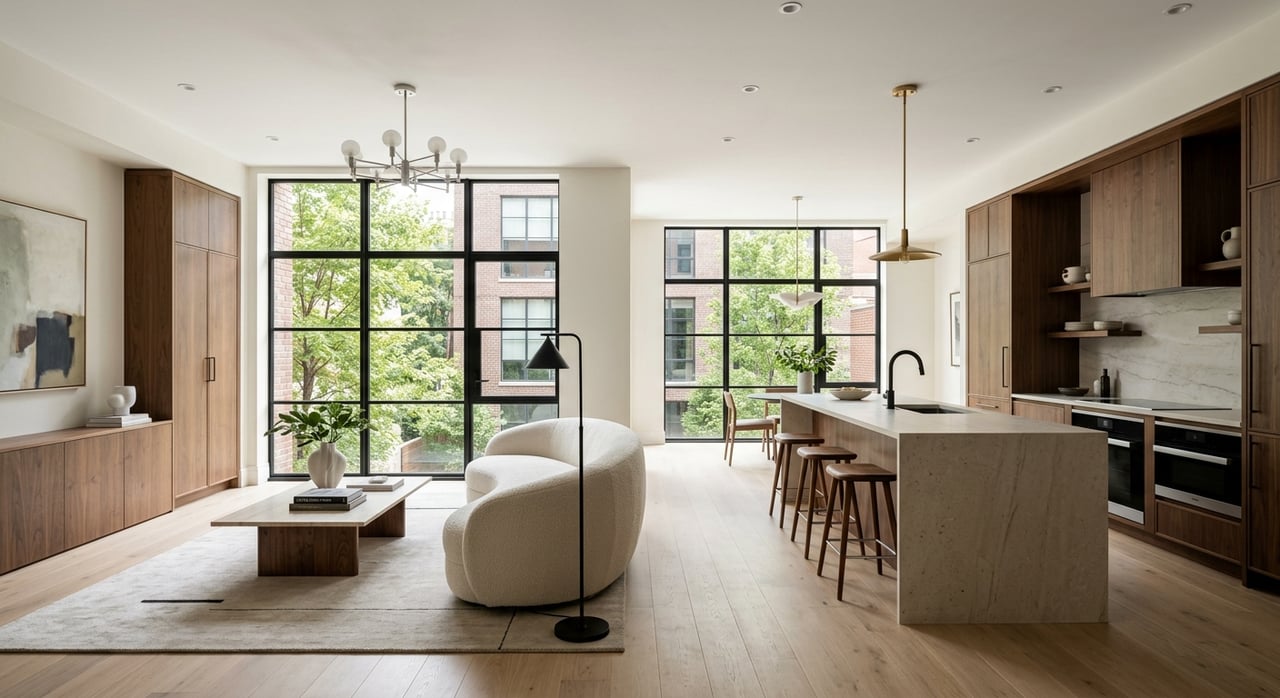
Trying to choose between a condo and a house in Midtown Atlanta can feel simple at first, until you start weighing walkability, privacy, maintenance, and long-term value all at once. If you love the energy of Midtown but want your home to match your day-to-day life, the right answer is usually less about property type alone and more about how you want to live. This guide will help you compare condos, townhomes, and single-family homes in Midtown so you can make a more confident decision. Let’s dive in.
Midtown Housing Looks Different by Area
Midtown is one of Atlanta’s clearest examples of a mixed housing environment. According to Midtown Alliance, the area combines “vertical neighborhoods” in the core with historic and established residential neighborhoods around it. That means your options can change quickly depending on which part of Midtown you are considering.
In the core, condos are the dominant choice. Midtown Alliance places most condominium inventory on or just off Peachtree Street, West Peachtree, Juniper, and Piedmont, in buildings such as 1010 Midtown, Plaza Midtown, Juniper & 5th, ViewPoint, Spire Midtown, Cornerstone Village, and 700 Piedmont.
Single-family homes are more concentrated outside the core in Midtown’s surrounding residential neighborhoods. Midtown Alliance identifies the Midtown residential neighborhood on the east side of the commercial core as a historic area of early- to mid-20th-century single-family homes, and it also points to nearby areas like Ansley Park, Sherwood Forest, and Home Park for more detached-home options.
Townhomes are the rare middle ground. Midtown Alliance lists only a small number of townhome communities, including 5th & Piedmont Townhomes and Ansley on the Park Townhomes, with additional townhome-style living on Midtown’s west edge in Atlantic Station.
Why Condos Appeal in Midtown
If your top priority is convenience, a condo often makes the most sense in Midtown. The neighborhood is unusually walkable and transit-oriented, with a tight street grid, four MARTA stations, and easy access to arts, greenspace, and major job centers. Living in the core can put many of those daily advantages close at hand.
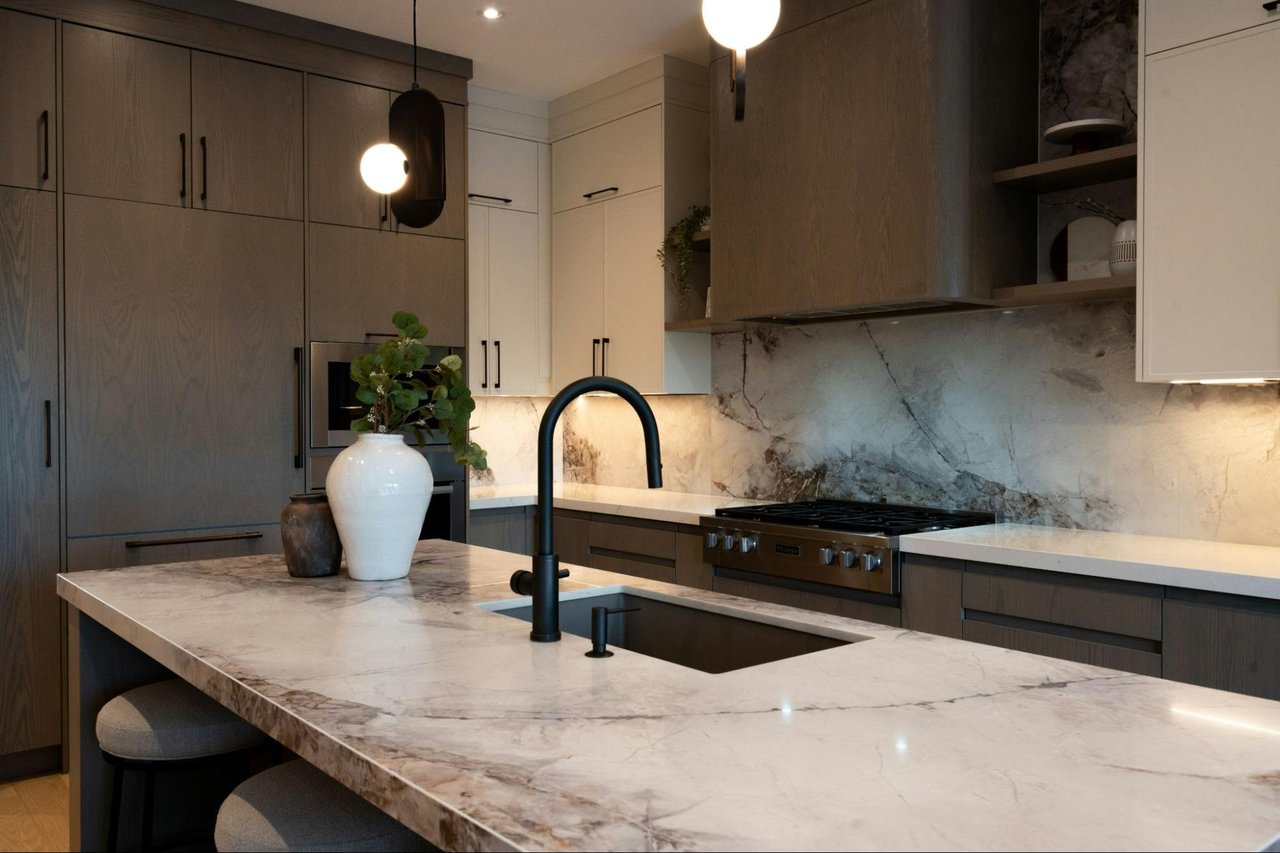
Condos also tend to support a more lock-and-leave lifestyle. In Midtown, buildings like Plaza Midtown and Juniper & 5th show what that can look like, with features such as concierge service, fitness centers, pools, package retrieval, underground parking, rooftop spaces, and street-level retail.
That said, a condo purchase is about more than the unit itself. Under Georgia’s Condominium Act, the association is responsible for common-element maintenance, repair, renovation, restoration, and replacement, while the owner remains responsible for the unit and any limited common elements assigned to it.
That legal structure makes document review especially important. Georgia law also requires sellers to provide documents such as the declaration, bylaws, budget, and management contracts, and a buyer’s contract can be voidable until those documents have been delivered for at least seven days.
Condo Questions to Ask
Before you buy a Midtown condo, make sure you understand the association as well as the floor plan. A beautiful unit in a poorly managed building can create very different costs and expectations than a similar unit in a well-run community.
Ask questions like these:
- What do the monthly dues cover?
- How strong are the reserves?
- Has the building had special assessments?
- Is there deferred maintenance?
- What repairs are the owner responsible for versus the association?
In Midtown, condo value is closely tied to building quality, financial health, and maintenance history. That is one reason condos often require more careful review than detached homes.
Why a Townhome Can Be the Middle Ground
If you want more separation than a condo but still want to stay close to Midtown’s core lifestyle, a townhome can be a smart compromise. Townhomes often offer a more private entrance, more vertical living space, and features that feel more residential than a tower.
Midtown’s local examples support that idea. Midtown Alliance describes 5th & Piedmont as a six-unit luxury townhome community with private rooftop terraces, front stoop entries, and hidden parking, which shows why this property type appeals to buyers who want more space without taking on a fully detached house.
The challenge is supply. Townhomes are much scarcer in Midtown than condos, so you may have fewer choices and less flexibility when one becomes available.
Current market snapshots show that gap clearly. Redfin’s Midtown pages show 327 condos for sale at a median listing price of $350K, compared with just 5 townhouses for sale at a median listing price of $570K. While inventory shifts over time, that difference suggests townhomes are the limited-supply option and may command a premium.
Townhome Tradeoffs to Consider
Townhomes often feel like a hybrid between condo living and house living, but the maintenance split can vary by community. Some developments handle more exterior upkeep, while others place more responsibility on the owner.
That means you should read the governing documents carefully before deciding. If you are comparing a townhome to a condo or detached home, be sure you understand not just the layout, but also the practical ownership structure.
Why a House Offers the Most Control
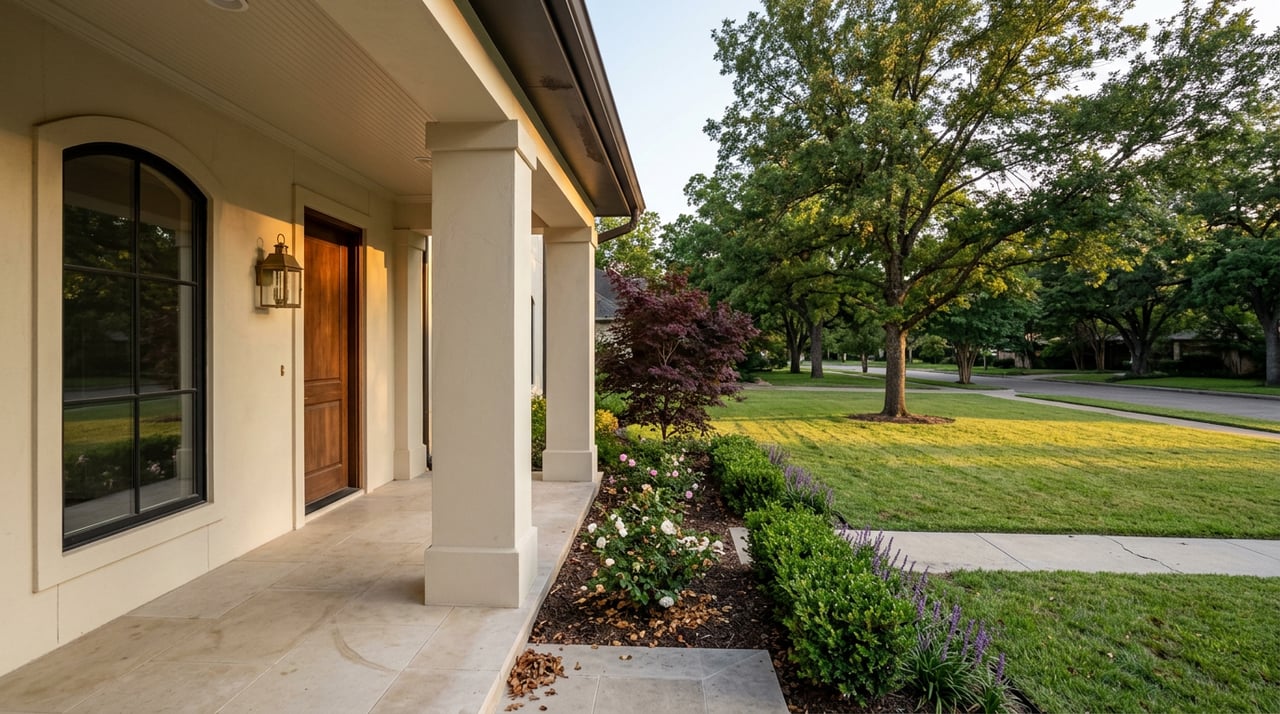
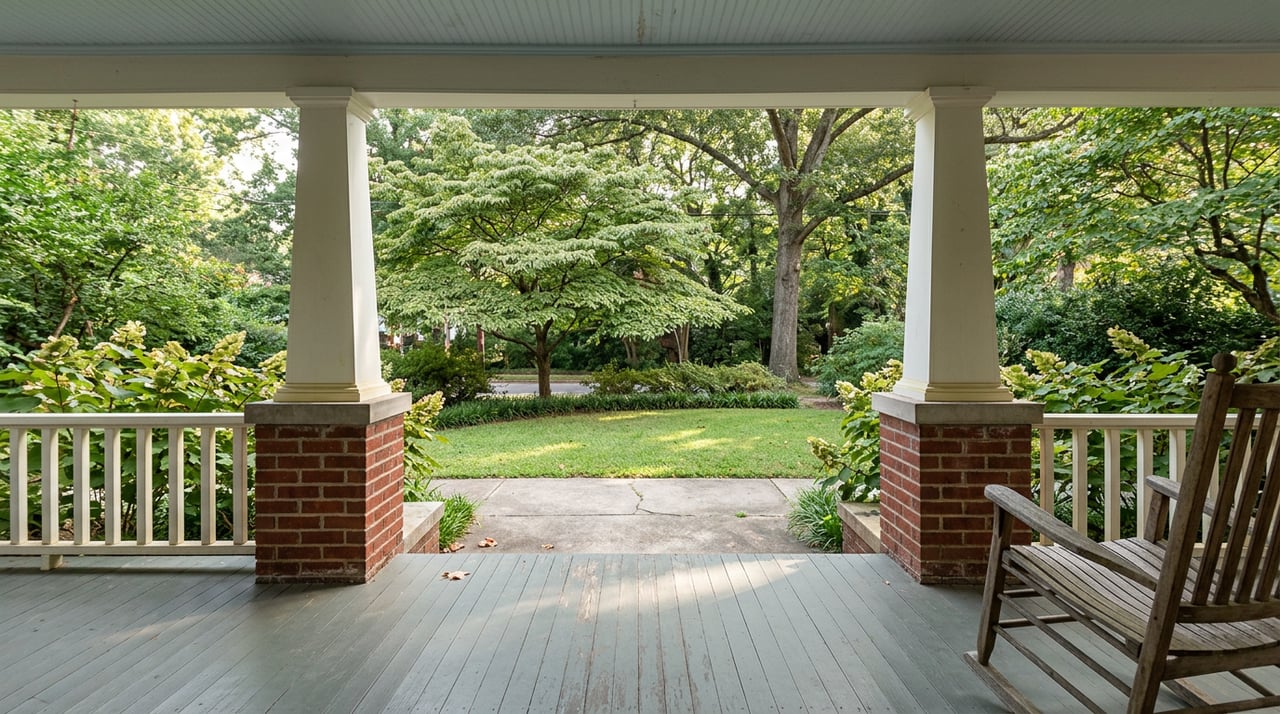
If your top priorities are privacy, outdoor space, and control over the property, a single-family home is usually the strongest fit. In Midtown, that often means looking in the more residential neighborhoods around the core rather than in the tallest, most active corridors.
Single-family homes in and around Midtown can offer larger lots, more storage, and a quieter street setting. Midtown Alliance identifies the Midtown residential neighborhood, Ansley Park, Sherwood Forest, and Home Park as areas where detached homes are more concentrated.
For many buyers, the appeal is simple: you are not sharing walls in the same way, and you have more freedom over how the property is used and maintained. That independence is valuable, but it comes with a larger upkeep burden.
Fannie Mae and Freddie Mac both frame regular maintenance as a core part of homeownership. In practical terms, that means budgeting time and money for tasks such as lawn care, gutter cleaning, appliance upkeep, exterior maintenance, and long-term roof planning.
House Questions to Ask
When you compare a house to a condo in Midtown, it helps to think beyond square footage. A larger home may give you more flexibility, but it can also bring more ongoing work and higher maintenance costs over time.
Ask yourself:
- How much outdoor space do you really want to maintain?
- Are you comfortable planning for repairs and system updates?
- Do you want a quieter residential setting more than immediate access to the core?
- How important are privacy and storage in your daily life?
How Lifestyle Should Guide the Decision
For most buyers, this decision becomes clearer when you focus on daily routine instead of abstract pros and cons. Midtown’s layout makes that especially true because the core and surrounding residential pockets offer very different living experiences.
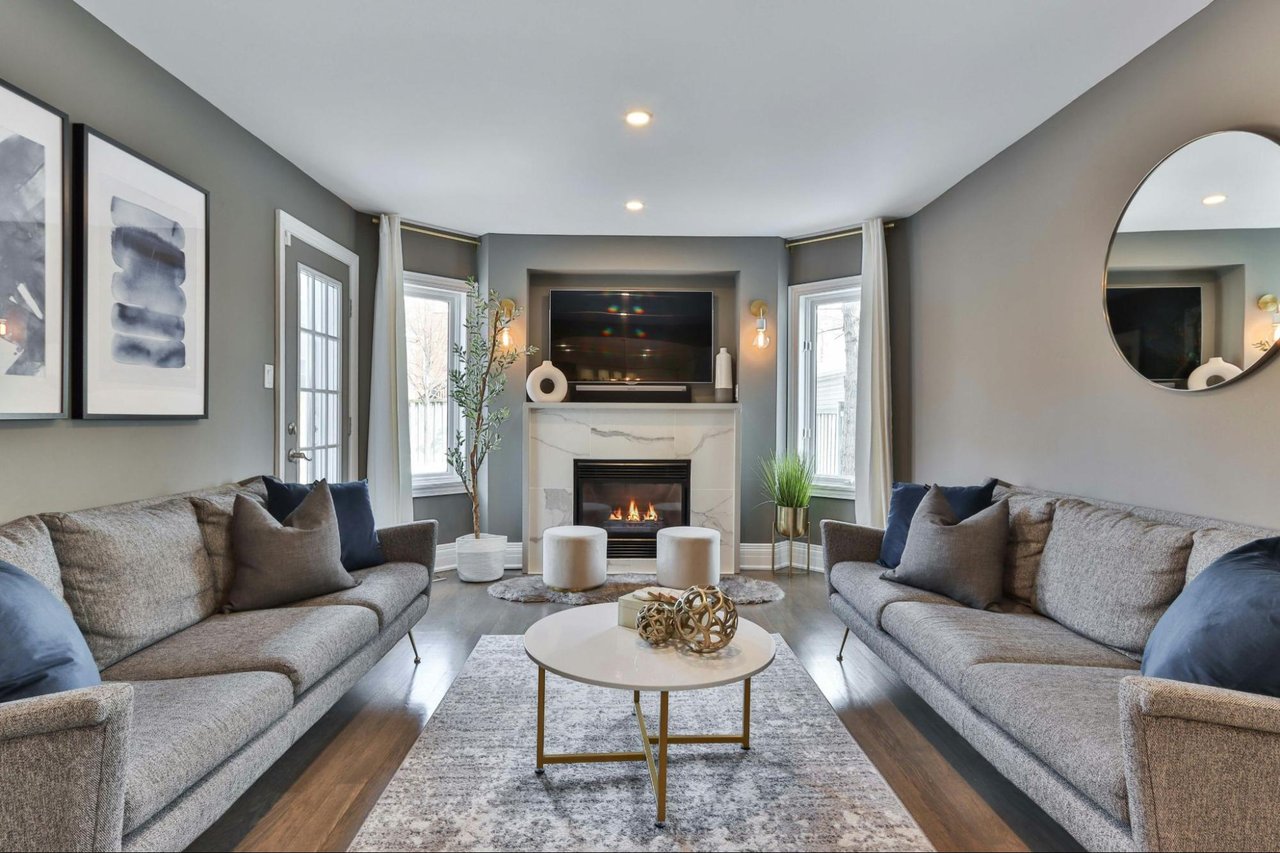
Choose a condo if you prioritize walkability, shared amenities, and less exterior maintenance. Midtown’s core is built for easy access to MARTA, arts, restaurants, and everyday convenience, and condos are the property type most closely tied to that lifestyle.
Choose a townhome if you want a blend of privacy and convenience. This can be a great fit if you like the idea of a private entrance and more separation but still want to stay close to Midtown activity.
Choose a single-family home if you value outdoor space, autonomy, and a more traditional residential feel. In Midtown, that usually means trading some immediate core convenience for more space and control.
How Resale Value Differs by Property Type
Resale potential in Midtown does not come down to a single rule. Each property type tends to hold value for different reasons, and understanding those drivers can help you buy more strategically.
For condos, value is often supported by building quality, association health, reserve funding, and transparency around budgets and maintenance. Since Georgia law allows assessments tied to common expenses and reserves, buyers should pay close attention to the building’s financial picture.
For townhomes and houses, value is more tied to location, privacy, lot character, and the condition of the improvements. In Midtown, that can include historic appeal, street presence, and the upkeep of the home itself.
Midtown remains an active in-town market overall. Redfin reports a neighborhood-wide median sale price of $422K in March 2026, up 15.9% year over year, with a median of 97 days on market. Those figures are neighborhood-wide, not specific to one property type, but they do show that conditions can move meaningfully.
A Simple Midtown Decision Framework
If you are still deciding, use this quick framework:
| If you value this most | Best fit |
|---|---|
| Walkability, amenities, easy upkeep | Condo |
| Privacy plus close-in convenience | Townhome |
| Yard, storage, autonomy, quieter setting | Single-family home |
Then take it one step further. Compare not just the homes, but the responsibilities that come with them.
A condo may reduce exterior maintenance but require deeper association review. A townhome may offer a great balance but come with limited availability. A house may provide the most freedom, but you will need to plan for full-home upkeep.
In other words, the best choice in Midtown is the one that matches how you actually want to spend your time, money, and energy after closing.
If you want tailored guidance on Midtown condos, townhomes, or single-family homes, The Katie McGuirk Team offers a polished, hands-on approach designed to help you weigh the details with confidence and clarity.
FAQs
What is the main difference between condo and house living in Midtown Atlanta?
- In Midtown, condos are concentrated in the walkable core and usually offer shared amenities and less exterior maintenance, while single-family homes are more common in surrounding residential neighborhoods and usually offer more privacy, outdoor space, and owner responsibility.
Are townhomes common in Midtown Atlanta?
- No. Midtown Alliance shows that townhomes are much less common than condos, with only a small number of communities in the area, which can make them feel like a limited-supply middle-ground option.
What should you review before buying a Midtown condo?
- You should review what the association covers, the monthly dues, reserve funding, any history of special assessments, maintenance history, and the governing documents that Georgia law requires sellers to provide.
Is a house or condo better for walkability in Midtown Atlanta?
- A condo is usually the stronger fit for walkability in Midtown because most condo inventory is concentrated near the core, where access to MARTA, restaurants, arts, and daily conveniences is strongest.
How does Midtown inventory differ by property type?
- Current market snapshots in the research show a much deeper condo inventory pool than townhome inventory in Midtown, which suggests buyers often have more condo choices while townhomes may be scarcer and priced at a premium.
How do you decide between a condo, townhome, and house in Midtown?
- Start with your daily priorities: choose a condo for convenience and amenities, a townhome for a balance of privacy and close-in living, and a house for space, autonomy, and a more traditional residential setting.