Looking for an Atlanta neighborhood that feels historic, walkable, and full of character? Inman Park stands out for exactly that reason. If you want a closer look at how this intown neighborhood lives day to day, this guide will help you understand its streetscape, housing mix, local amenities, and overall rhythm. Let’s dive in.
Inman Park at a Glance
Inman Park is one of Atlanta’s most recognizable historic neighborhoods. It was first developed in the 1880s and later established in 1912 as Atlanta’s first planned garden suburb. The City of Atlanta also lists it as a historic district, designated in 2002.
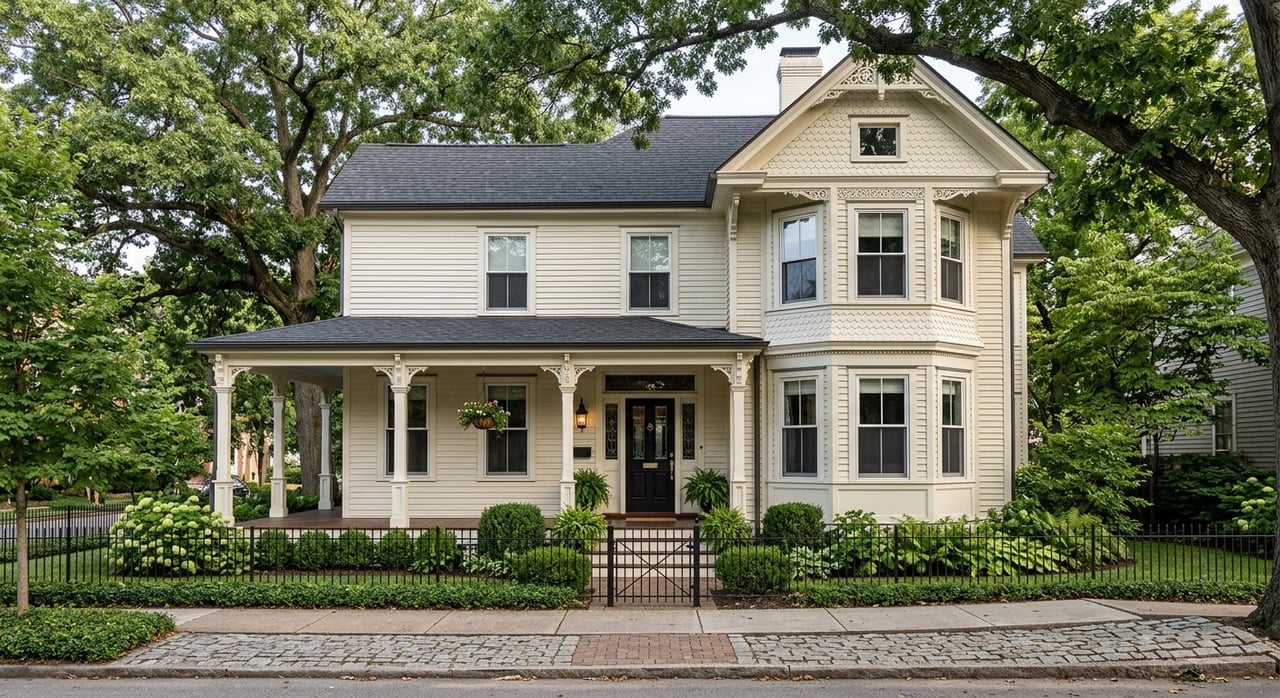
What gives Inman Park its identity is not just its history, but how that history still shapes the neighborhood today. You see it in the closely built streets, mature tree canopy, Victorian-era homes, cobblestone lanes, and preserved architectural details that make the area feel layered rather than uniform.
What the Neighborhood Feels Like
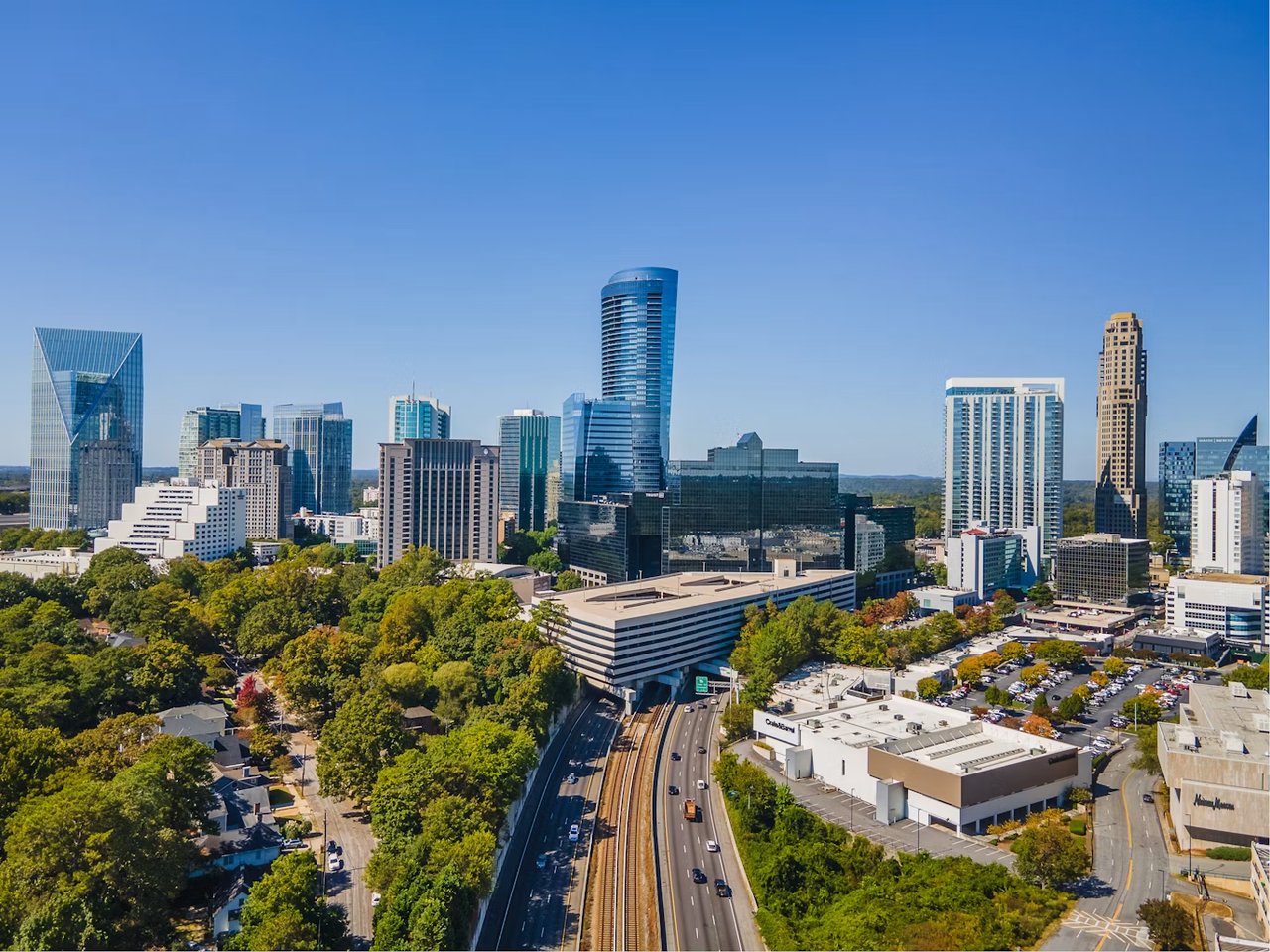
Inman Park feels distinctly intown. Instead of long suburban blocks and newer large-lot development, you get a more connected street pattern, a mix of older homes and adaptive reuse, and a neighborhood layout that encourages walking, biking, and frequent stops along the way.
The visual character is a major part of daily life here. Public art, landscaped streets, and historic homes all contribute to a setting that feels creative, established, and actively cared for. Local stewardship matters too, with efforts like the Inman Park Tree Watch partnership helping preserve the neighborhood’s canopy and streetscape.
Historic Homes and Housing Variety
If you are drawn to older architecture, Inman Park has strong appeal. The neighborhood is especially known for Victorian-style homes, including Queen Anne and Stick/Eastlake architecture. One notable example is the Beath-Dickey House, a Queen Anne Victorian built in 1890.
At the same time, Inman Park is not limited to detached historic homes. The built environment includes lofts and mixed-use spaces, especially as you move toward Highland Avenue and nearby commercial corridors. That variety can make the neighborhood attractive if you want historic charm without giving up access to more contemporary living options.
Another detail that helps explain the area’s feel is that preservation is ongoing. According to the 2026 festival guide, the neighborhood includes more than 300 homes in various stages of restoration. That gives Inman Park a lived-in, evolving quality rather than a polished, one-note look.
Walkability Shapes Daily Life
One of the biggest lifestyle advantages in Inman Park is how easy it is to move through the area without relying on a car for every outing. The neighborhood is closely tied to the Atlanta BeltLine Eastside Trail, which connects nearby destinations and brings a steady flow of walkers, runners, and cyclists through the area.
Walking or biking the Eastside Trail can bring you directly into Inman Park. That connection makes it easier to build daily routines around coffee stops, casual meals, errands, and outdoor time. If you value a neighborhood where activity happens out on the street rather than behind a windshield, that is a meaningful part of the appeal.
MARTA Access Adds Convenience
Transit access is another practical benefit. MARTA’s Blue and Green lines serve the Inman Park/Reynoldstown station, which supports easy rail access in and out of the area. The official festival site also notes that the station sits at the heart of the annual Inman Park Festival.
For some residents, that combination of rail and trail access can support a more car-light lifestyle. Even if you still drive regularly, having multiple ways to get around can make day-to-day life feel more flexible and connected.
Dining and Shopping in Inman Park
Inman Park’s commercial scene feels concentrated and easy to explore. Rather than a sprawling retail layout, the neighborhood offers walkable pockets of restaurants, bakeries, boutiques, and everyday stops that fit naturally into the street grid.
Highland Avenue is one of the clearest examples. It shifts from residential blocks into a corridor lined with sidewalk cafes, restaurants, bakeries, boutiques, yoga studios, business centers, lofts, and other mixed-use spaces. That blend supports a neighborhood rhythm where dining out, meeting friends, or picking up a few things can feel part of the same walk.
Krog Street Market and Krog District
Krog Street Market is one of the area’s best-known destinations. It occupies a restored 1920s warehouse near the Eastside Trail and serves as a dining anchor for the neighborhood. It is a strong example of how Inman Park blends historic structures with current urban living.
The broader Krog District builds on that idea through adaptive reuse. The project combines Krog Street Market, Atlanta Stove Works, and SPX Alley, restoring landmark properties while adding retail and creative office space. For residents, that means the neighborhood offers more than historic beauty alone. It also delivers active, useful places woven into older buildings.
Parks, Greenspace, and Outdoor Texture
Inman Park may be known for architecture, but green space is part of the experience too. The city’s parks inventory includes small public spaces such as Inman Circle at 17th St Park and Inman Park. Nearby Historic Fourth Ward Park also adds another outdoor option just outside the neighborhood core.
These spaces may not define the neighborhood as much as the streets and homes do, but they help soften the urban setting. Combined with the mature canopy and landscaped residential blocks, they add to the sense that Inman Park is both active and visually grounded.
Art and Community Events
Inman Park has a strong public-facing creative side. The Krog Street Tunnel, which links Inman Park and Cabbagetown, is widely known for ever-changing street art. The butterfly mural visible from the Eastside Trail is another local visual marker that many people associate with the neighborhood.
Community events also shape the neighborhood’s identity. The Inman Park Festival and Tour of Homes, held on the last full weekend in April, is Atlanta’s largest all-volunteer festival. It includes a home tour, parade, market, music, dance, and easy access by walking, biking, or MARTA.
That kind of event matters because it reflects how the neighborhood presents itself. Inman Park is not just historic on paper. It is active, social, and visibly engaged with preserving and sharing its character.
Who Might Enjoy Living Here
Inman Park may be a good fit if you value architecture, walkability, and an intown setting with strong visual character. It can especially appeal to buyers who want a neighborhood that feels established and connected, with local dining, BeltLine access, and a mix of historic and adaptive-reuse spaces.
It may also appeal to people who enjoy a neighborhood with a little texture and variation. Because homes are in different stages of restoration and the built environment includes both older residences and mixed-use elements, the area feels more layered than master-planned.
If your priorities lean toward a quieter suburban pattern, newer housing stock, or a more uniform residential feel, Inman Park may read differently. But if you want a neighborhood with history, energy, and a strong sense of place, it offers a distinct Atlanta lifestyle.
What to Know as a Buyer
If you are considering a move to Inman Park, it helps to look beyond square footage and finishes. In a neighborhood like this, block-by-block character, access to the BeltLine or MARTA, architectural style, and the surrounding mix of residential and commercial activity can all shape how a home lives.
It is also helpful to understand that older homes can carry a different ownership experience than newer construction. In a historic neighborhood with ongoing restoration, details like condition, updates, layout, and preservation context may matter as much as curb appeal.
A thoughtful home search here usually means balancing lifestyle goals with property specifics. The right fit is often about how you want to live day to day, not just what looks good online.
If you are exploring intown Atlanta neighborhoods and want guidance that is polished, local, and highly personal, The Katie McGuirk Team offers thoughtful strategy and white-glove support for buyers and sellers across the Atlanta market.
FAQs
What is Inman Park known for in Atlanta?
- Inman Park is known for its historic identity, Victorian-style homes, mature tree canopy, BeltLine access, public art, and walkable dining and shopping areas.
What types of homes are in Inman Park?
- Inman Park includes older detached homes, especially Victorian and Queen Anne examples, along with lofts and mixed-use residential options near commercial corridors.
Is Inman Park connected to the Atlanta BeltLine?
- Yes. Inman Park is closely tied to the Atlanta BeltLine Eastside Trail, and walking or biking the trail brings you directly into the neighborhood.
Is there MARTA access in Inman Park?
- Yes. MARTA’s Blue and Green lines serve the Inman Park/Reynoldstown station, which adds convenient rail access for the neighborhood.
What is the lifestyle like in Inman Park, Atlanta?
- Daily life in Inman Park tends to feel walkable, historic, and social, with easy access to restaurants, bakeries, boutiques, public art, greenspaces, and neighborhood events.
What annual event takes place in Inman Park?
- The Inman Park Festival and Tour of Homes takes place on the last full weekend in April and includes a parade, home tour, market, music, and dance.