If you own a home in Historic Brookhaven, you are not just selling square footage. You are presenting a property with a distinct setting, architectural character, and a lifestyle story that today’s buyer will notice right away. The good news is that you do not need to erase that history to compete. With the right strategy, you can highlight timeless appeal while making your home feel current, functional, and easy to enjoy. Let’s dive in.
Why Historic Brookhaven Stands Apart
Historic Brookhaven holds a unique place within Brookhaven’s larger market. The city identifies it as one of Brookhaven’s official character areas and emphasizes preserving its unique homes, golf-course setting, and largely residential feel. That matters when you prepare to sell, because buyers are often drawn to this area for qualities that go beyond a standard feature list.
The neighborhood also carries deep local history. It grew out of Capital City Country Club and is recognized by the Georgia Historical Society as Georgia’s first planned golf-club community, developed between 1910 and 1940. For sellers, that creates a strong positioning opportunity: your home can be marketed as part of a long-established, highly recognizable Atlanta-area setting.
Understand Today’s Market Context
Even in a sought-after area, pricing and presentation still matter. Realtor.com market data shows Brookhaven citywide with a median listing price of $690,000, a median 38 days on market, and a 99% sale-to-list ratio. Historic Brookhaven specifically shows a $765,000 median listing price, 16 homes for sale, and a 22-day median days-on-market figure.
That kind of backdrop does not support a casual “let’s test the market” approach. It supports a polished launch, careful pricing, and a strong first impression. If your home enters the market prepared and clearly positioned, you give yourself a better chance of attracting serious buyers quickly.
Lead With Character and Livability
Historic charm still sells
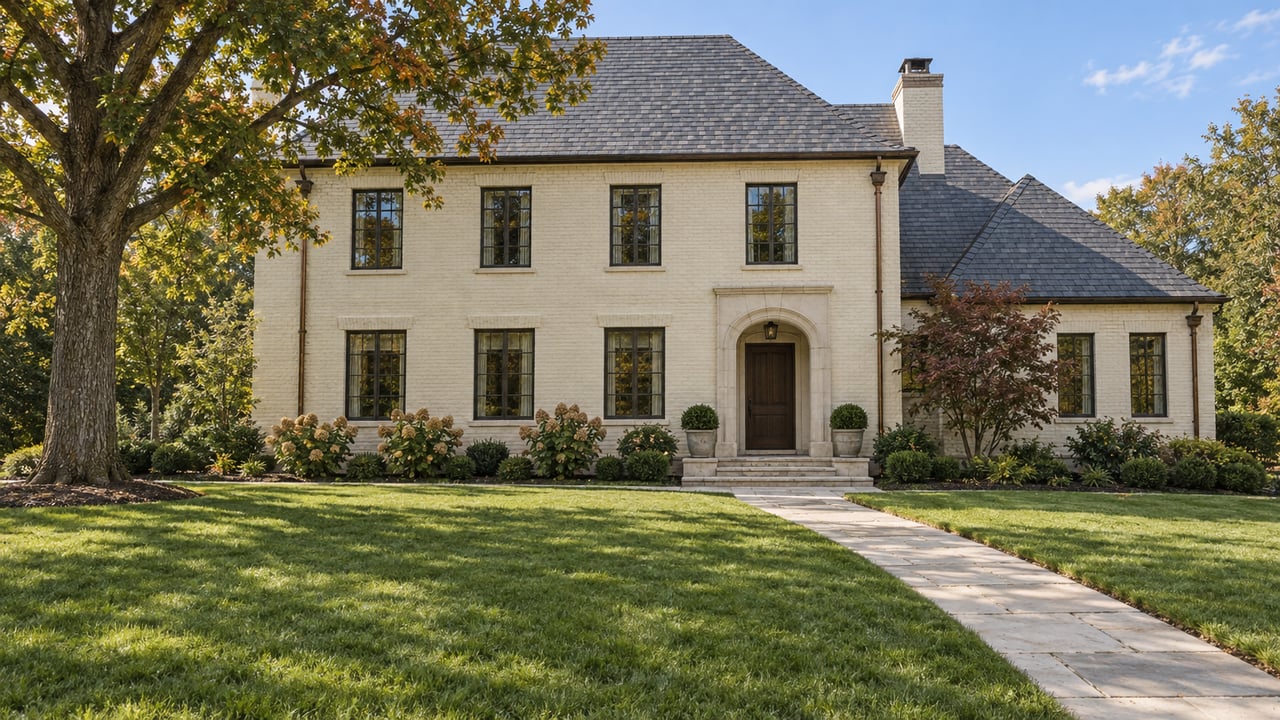
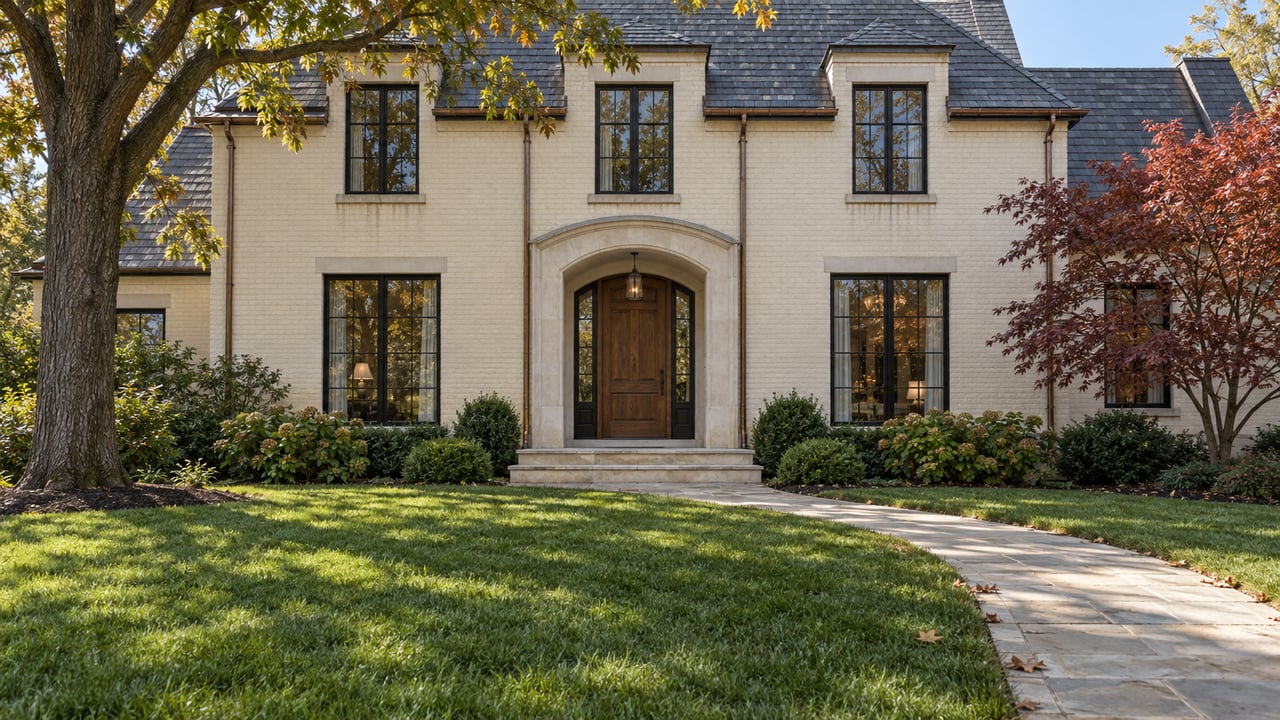
In Historic Brookhaven, original architecture can be a major strength. The city’s planning documents emphasize preservation of historic structures, large-lot single-family character, and the area’s golf-course setting. Buyers shopping here often expect a home that feels established, distinctive, and tied to its surroundings.
That means you should not hide the features that make your home special. Millwork, gracious room proportions, mature landscaping, traditional facades, and older architectural details can all help your listing stand out when they are presented with care.
Modern function matters too
At the same time, today’s buyer wants a home that feels easy to live in. The most effective message is often historic character with updated livability. Your home should feel polished and elegant, but also comfortable, practical, and ready for modern routines.
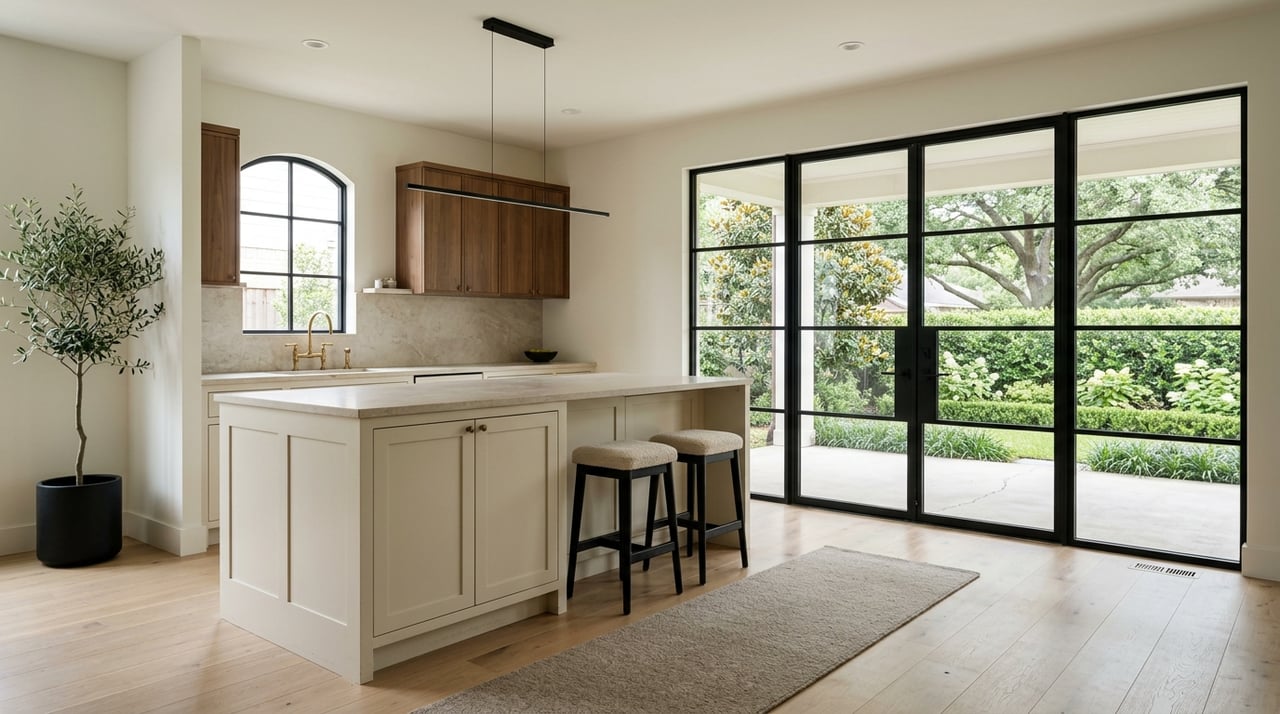
That can include refreshed lighting, improved flow, updated finishes in key spaces, and a clean, well-maintained look throughout. The goal is not to make the house feel brand new. The goal is to make it feel beautifully kept and ready for the next chapter.
Know What You Can Update
If your property is associated with historic designation, buyers and sellers sometimes assume every change is heavily restricted. According to the Georgia Department of Community Affairs, National Register listing by itself does not restrict a private property’s use, treatment, transfer, or disposition. In practical terms, that can support market-facing updates such as cosmetic refreshes, landscaping improvements, and kitchen or bath upgrades.
Still, you should confirm whether any deed restrictions, HOA rules, or property-specific covenants apply. That step helps you make smart preparation decisions early, rather than discovering limits once your timeline is tight.
Focus on the Right Pre-List Improvements
Start with condition and presentation
For many Historic Brookhaven homes, the highest-return work is not a full renovation. It is the kind of preparation that improves how the home looks online, how it feels in person, and how confidently buyers can picture themselves living there. In a neighborhood known for historic character, visible neglect can distract from real value.
The most useful pre-list updates often include:
- Decluttering throughout the home
- Neutral paint where needed
- Lighting upgrades
- Landscaping cleanup
- Pressure washing
- Updated hardware
- Repairs for anything that feels dated, worn, or overlooked
These steps help buyers focus on the home’s strengths instead of mentally adding up to-do lists.
Avoid over-customizing the message
The likely buyer pool in this niche often includes repeat buyers and long-tenured homeowners. NAR reports a median repeat-buyer age of 62, and its seller data points to long ownership periods and strong interest in neighborhood quality and convenience to friends and family. That suggests your home should feel flexible, calm, and broadly appealing rather than styled for a very narrow taste.
Instead of leaning into highly specific lifestyle branding, emphasize comfort and function. Think guest accommodations, strong storage, easy indoor-outdoor flow, and a primary suite that feels restful and practical.
Stage for How Buyers Actually Shop
Today’s buyers usually begin online. NAR’s 2025 data shows that across generations, the first step in the home search was looking online for properties. Buyers typically searched for 10 weeks and looked at a median of seven homes, while photos, detailed property information, virtual tours, and agent contact information ranked among the most useful listing features.
That means your staging plan should support the screen first and the showing second. Rooms need to read clearly in photos, feel purposeful, and show enough scale and flow that a buyer wants to schedule a visit.
Prioritize the rooms that matter most
NAR’s staging research says staging helps buyers visualize the home, can improve perceived value, and can reduce time on market. The rooms most often recommended for staging are the living room, primary bedroom, kitchen, dining room, and outdoor spaces.
For a Historic Brookhaven seller, those spaces are especially important because they help bridge old and new. A well-styled living room can show elegance without feeling formal. A refreshed kitchen can reassure buyers about function. A polished outdoor area can reinforce the estate-like setting that makes the neighborhood distinctive.
Treat Outdoor Living Like a Main Room
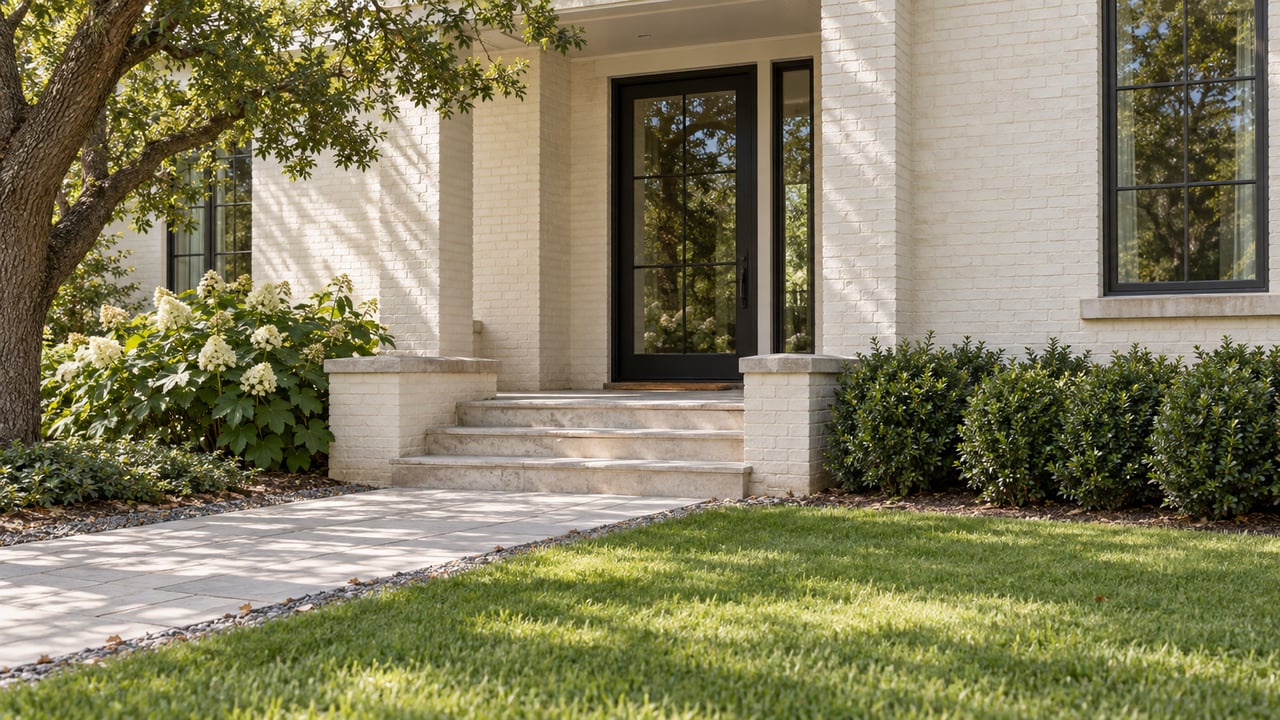
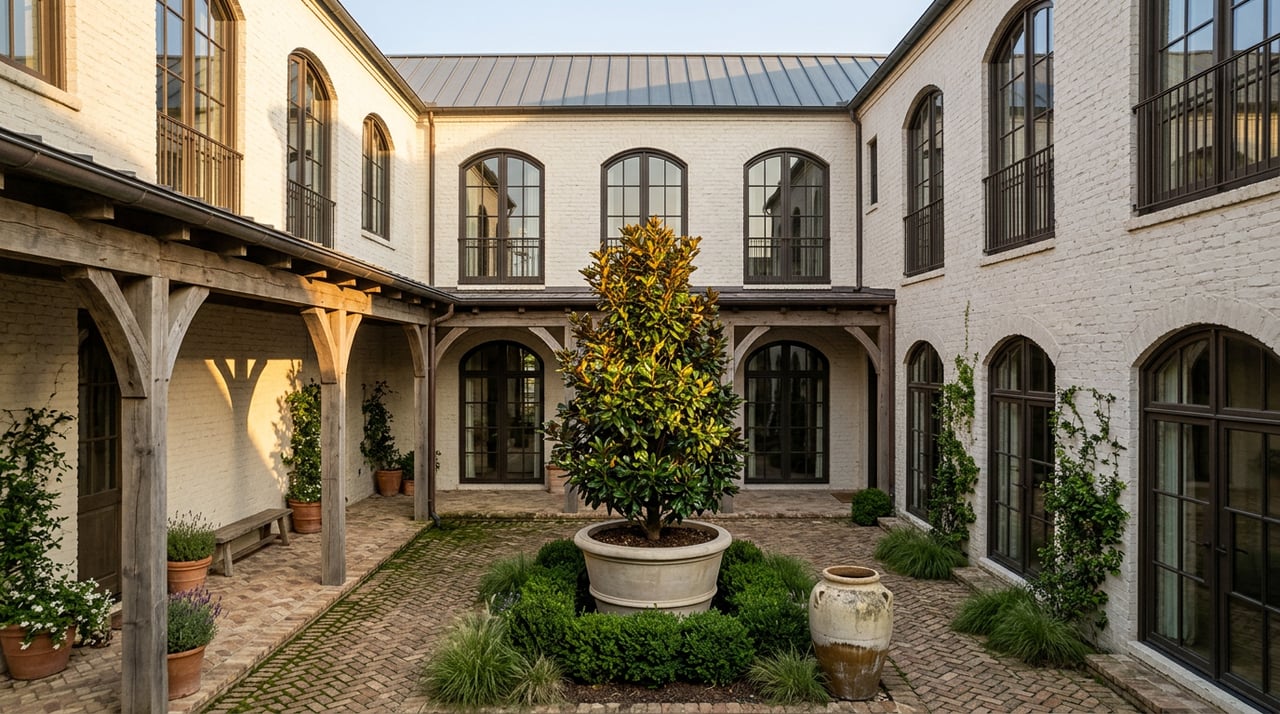
In Historic Brookhaven, exterior presentation carries real weight. Large lots, mature trees, porches, terraces, gardens, pools, and broad lawn views are part of what buyers may be paying for. Outdoor living should not be treated like an afterthought.
Style patios, porches, terraces, and pool areas with the same discipline you would bring to the interior. Clean lines, simple seating, tidy plantings, and an uncluttered layout help buyers see outdoor space as usable living space. In a neighborhood with a strong landscape identity, this can be one of your biggest advantages.
Build a Strong Visual Marketing Package
Show the setting, not just the house
Capital City Club is a defining neighborhood anchor, and its Brookhaven location sits at 53 West Brookhaven Drive. Its directions page specifically references views of the golf course along Brookhaven Drive and West Brookhaven Drive. If your home benefits from that broader setting, your listing media should help buyers understand it.
That does not mean overreaching or implying access that does not exist. It means thoughtfully showing the home in context, including lot depth, tree canopy, exterior presence, and any permitted views or adjacency that help communicate why the location feels special.
Invest in polished visuals
Buyers place high value on listing visuals, and video platforms are a common information source during the search process. A strong Historic Brookhaven listing should include high-end photography, a concise walkthrough video, and, if permitted, elevated exterior imagery that captures the scale and setting of the property.
Because Capital City Club is private, imagery should stay within permitted exteriors or public vantage points unless the seller has explicit permission to film club areas. A careful, respectful media plan protects the tone of the listing while still telling a compelling story.
Time Your Launch With Intention
National 2026 timing research points consistently to spring as the strongest selling window. Realtor.com identified April 12 through 18 as the best week to sell, Redfin points to late April as a strong national sweet spot, and Zillow found the strongest price premium in the last two weeks of May. Zillow also notes that many sellers begin thinking about selling three to four months before listing.
For Historic Brookhaven, that timing makes practical sense. Spring supports stronger curb appeal, greener landscapes, and a clean seasonal story for a neighborhood where exterior beauty plays a major role in value perception.
If spring is not realistic
Not every move lines up with the ideal calendar, and that is okay. If you cannot launch in spring, the strategy becomes even more dependent on sharp pricing, stronger visuals, and tighter editing throughout the home. In other words, if timing is less than perfect, execution matters even more.
Brookhaven’s current market backdrop still rewards preparation. With a 99% sale-to-list ratio citywide and faster movement in Historic Brookhaven than the broader city figure, a polished listing can still perform well. But premium homes are rarely helped by rushed preparation or a loose pricing strategy.
What Today’s Buyer Wants to Feel
In a neighborhood like Historic Brookhaven, buyers are often responding to more than square footage or a list of finishes. They want the home to feel calm, functional, and manageable. They may love architectural detail, but they also want confidence that daily life will feel comfortable there.
That is why the best positioning is not “historic at all costs” or “fully modernized at all costs.” It is a balanced story. Your home should feel rooted in place, thoughtfully maintained, visually polished, and easy to enjoy.
Why Strategy Matters in Historic Brookhaven
Selling a home here calls for more than putting a sign in the yard. It takes preparation, restraint, and a clear point of view about what buyers will value most. From pricing and pre-list improvements to staging, visuals, and launch timing, each decision should support the same message: this is a distinctive home that has been thoughtfully prepared for today’s market.
That kind of positioning is where luxury listing strategy can make a real difference. If you are thinking about selling in Historic Brookhaven, The Katie McGuirk Team brings a high-touch, marketing-led approach designed to help you present your home with clarity, polish, and confidence.
FAQs
How should you prepare a Historic Brookhaven home before listing?
- Focus first on condition and presentation, including decluttering, neutral paint where needed, lighting updates, landscaping cleanup, pressure washing, hardware refreshes, and repairs that make the home feel well cared for.
What makes Historic Brookhaven different from other Brookhaven neighborhoods?
- Historic Brookhaven is one of Brookhaven’s official character areas and is known for its historic homes, golf-course setting, and largely residential identity tied to the area’s early development around Capital City Country Club.
Do historic designations automatically prevent updates to a Historic Brookhaven home?
- No. The Georgia Department of Community Affairs says National Register listing by itself does not restrict a private property’s use, treatment, transfer, or disposition, though you should still check for deed restrictions, HOA rules, or property-specific covenants.
What rooms matter most when staging a Historic Brookhaven listing?
- The highest-priority spaces usually include the living room, primary bedroom, kitchen, dining room, and outdoor areas because those rooms help buyers picture both the character and livability of the home.
When is the best time to list a home in Historic Brookhaven?
- Spring is often the strongest seasonal window based on 2026 timing research, especially because landscaping and curb appeal tend to show best then, but a well-prepared home can still perform outside spring with strong visuals and careful pricing.