107,198 people live in Sandy Springs, where the median age is 37.1 and the average individual income is $80,857. Data provided by the U.S. Census Bureau.
Total Population
Median Age
Population Density Population Density This is the number of people per square mile in a neighborhood.
Average individual Income
Sandy Springs is North Atlanta's premier edge city—a rare blend of corporate powerhouse and river town just 15 miles north of downtown. Home to roughly 108,000 residents, it straddles the Chattahoochee River and anchors the Perimeter Center business district, one of the Southeast's largest employment hubs. The lifestyle here is distinctly dual-natured: Fortune 500 executives paddleboard before work, while families bike to award-winning schools through tree-canopied streets.
The neighborhood appeals to affluent professionals, corporate relocations, and established families seeking top-tier schools without sacrificing urban convenience. It's the rare suburb where you can walk to a Broadway show at City Springs, then kayak a national park river corridor 10 minutes later. Sandy Springs pioneered the public-private partnership municipal model in 2005, creating a hyper-efficient city government that residents proudly tout.
What sets it apart: 22 miles of Chattahoochee River shoreline, direct MARTA rail access to the airport, and the Riverwood International Charter School—one of Georgia's top-ranked public high schools. The city offers Buckhead-level amenities with slightly more accessible price points and actual parking.
Sandy Springs evolved from Creek Muskogee watering hole to pioneering modern city through a decades-long fight for independence and unique governance model.
Origins & Early Settlement
The area's namesake—a natural spring with a sandy bottom—served Native Americans and later settlers after the Land Lotteries of 1821 brought European farmers. The Austin-Johnson House (c. 1842, Johnson Ferry Road) remains from this era. Civil War skirmishes touched the area, including the nearby Battle of Peachtree Creek, but Sandy Springs escaped Atlanta's total destruction.
The Commuter Boom (1960s–1990s)
Rural farmland transformed dramatically when I-285 (The Perimeter) and GA-400 connected the area to Atlanta in the 1960s. Perimeter Center's development created a major edge city with corporate headquarters and high-density retail rivaling downtown Atlanta. Mid-century ranch homes and split-levels filled in rapidly.
The Fight for Cityhood (2005)
For over 30 years, residents argued they sent disproportionate tax revenue to Fulton County with minimal return on services. Led by Eva Galambos (the city's first mayor), the incorporation movement culminated in June 2005 when 94% of residents voted for cityhood. Sandy Springs officially incorporated in December 2005, pioneering a Public-Private Partnership (PPP) model that outsourced nearly all city services (except police and fire) to private contractors—a governance approach studied worldwide.
Architectural Evolution
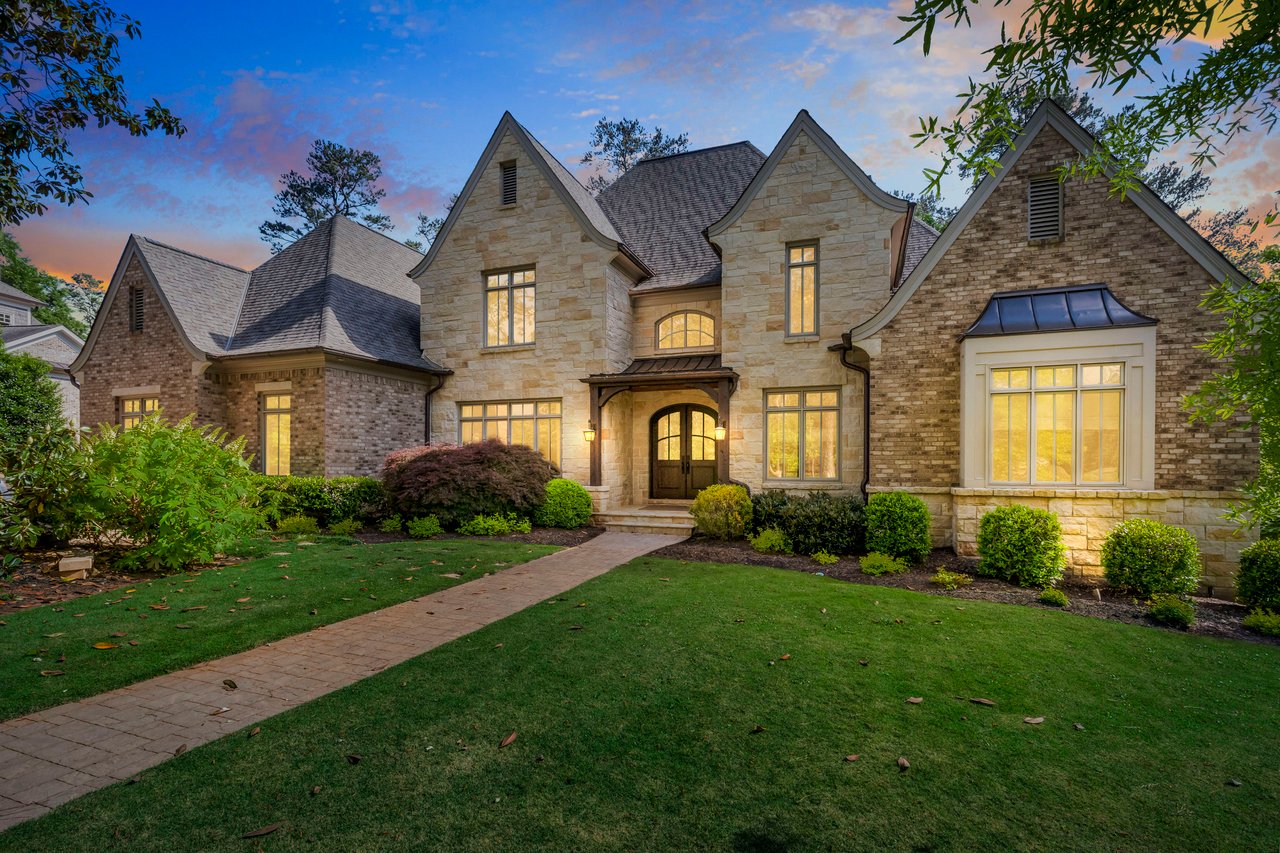
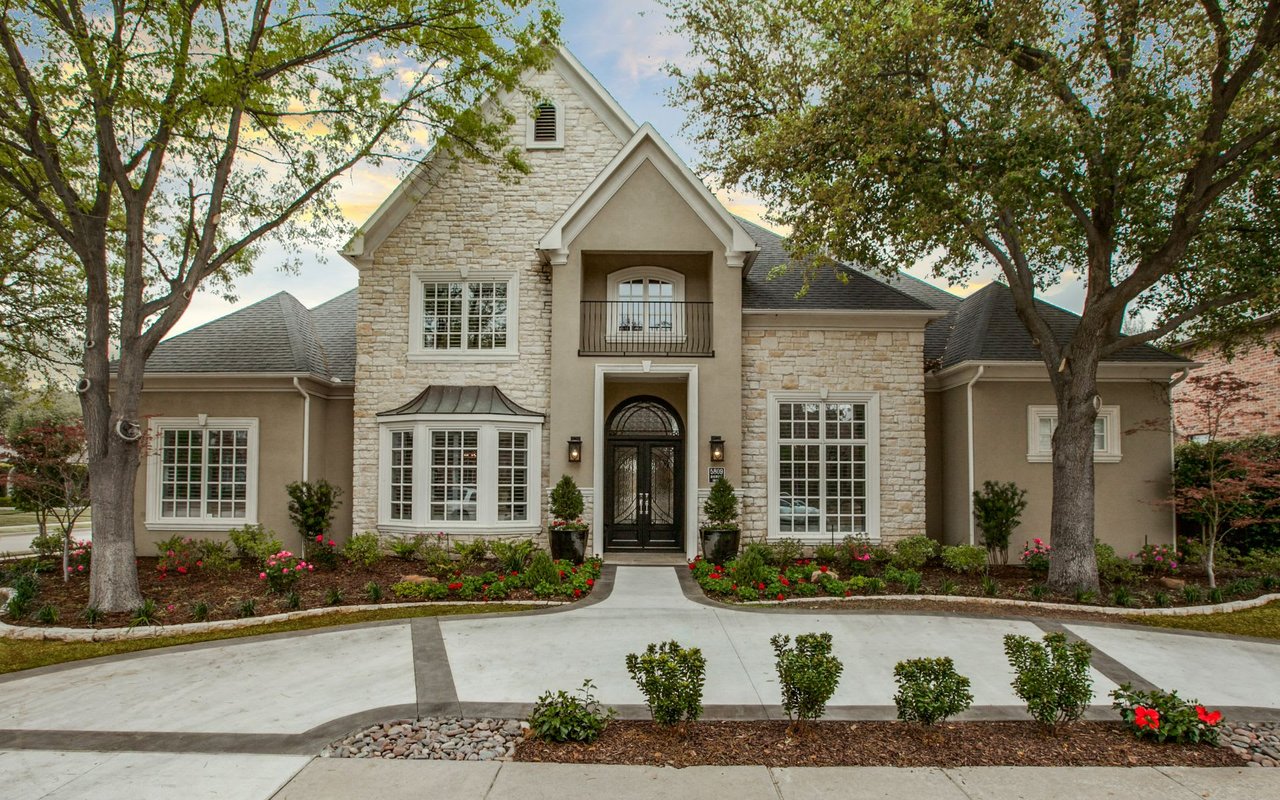
Post-war brick ranches gave way to "teardown" culture as land values soared. Neo-Eclectic estates and gated communities replaced older homes. The modern era brought City Springs (opened 2018), creating an actual downtown core with performing arts center, city hall, and mixed-use walkable development where none existed before.
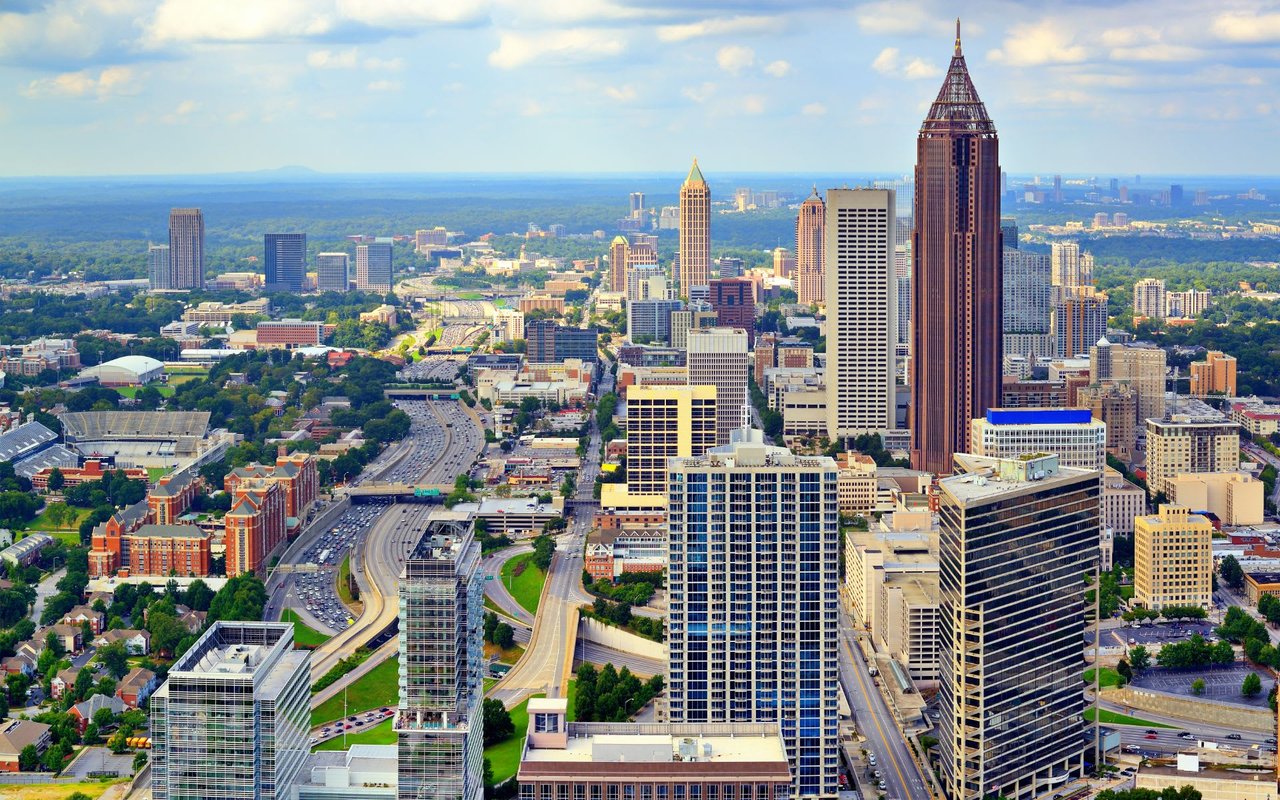
Sandy Springs occupies a unique position straddling urban commercial hub and riverfront nature preserve in North Fulton County, immediately north of Atlanta's city limits.
Boundaries & Proximity: The Chattahoochee River forms natural borders to the north (Roswell) and west (Cobb County). The city borders Buckhead and Chastain Park to the south, and Dunwoody and Brookhaven (DeKalb County) to the east. Downtown Atlanta sits approximately 15 miles south.
Terrain & Natural Surroundings: The Piedmont geographic province creates rolling, heavily forested hills with elevations ranging from 850 to 1,050 feet above sea level. The city boasts 22 miles of Chattahoochee River shoreline, creating immediate access to the Chattahoochee River National Recreation Area (including Island Ford and Powers Island units). Morgan Falls Dam creates a wider, lake-like reservoir section popular for rowing, fishing, and paddleboarding.
Climate: Humid subtropical climate brings hot, humid summers (July highs in upper 80s to low 90s°F) and mild but variable winters (January lows in the 30s°F). Snow is rare; ice storms occur occasionally. Abundant year-round rainfall supports the dense tree canopy of oaks, pines, and maples covering residential neighborhoods.
Sandy Springs entered a stabilization phase in 2025-2026, transitioning from rapid price appreciation to a more balanced, sustainable market that offers middle ground between ultra-expensive Buckhead and more distant northern suburbs.
Key Metrics (2025–2026 Data): Median sold price sits at approximately $745,000 overall. The market bifurcates sharply: renovated single-family homes Inside the Perimeter or near the river command $1.0M–$1.4M+, while condos and townhomes offer more accessible entry points at $380,000–$450,000.
Inventory Trends: Supply increased roughly 10-12% year-over-year, giving buyers significantly more choices than during the post-pandemic squeeze. The increase concentrates in the $1M+ luxury bracket, while entry-level homes under $600K remain scarce and competitive.
Market Dynamics: Median days on market extended to 45-65 days, allowing proper due diligence without waiving inspections. Annual appreciation normalized to a healthy 3-6% rate, down from previous double-digit spikes. The market achieved balance: sellers can no longer price aggressively (overpriced homes sit stagnant), while buyers regained leverage. Sellers now commonly offer rate buydowns or closing cost contributions.
Moving to Sandy Springs requires navigating a patchwork of city, county, and private service providers that differs from typical municipal setups.
Sandy Springs has unique regulatory and geographic quirks that can surprise new buyers—pay close attention to these often-overlooked factors.
In a stabilized market, frantic bidding wars no longer mask pricing mistakes—strategic execution matters.
Sandy Springs shed its "chain restaurant suburb" reputation, now anchored by the upscale City Springs district and chef-driven spots along Roswell Road.
Dining Scene: Key Spots
The Select (City Springs) serves as the city's "see and be seen" spot with 1920s Paris-inspired decor and massive patio overlooking the city green. Ray's on the River—a Chattahoochee River institution—delivers fresh seafood, steaks, and floor-to-ceiling river views for special occasions. il Giallo Osteria & Bar offers authentic coastal Italian with pasta made fresh daily in the open dining room. Kaiser's Chophouse provides modern boutique steakhouse experience rivaling Buckhead's best.
Casi Cielo brings high-end Oaxacan cuisine with massive Mezcal collection. Battle & Brew—the nation's first dedicated video game restaurant/bar—features PC/console gaming stations alongside gastropub menu. Zafron Restaurant draws loyal following for Persian/Mediterranean cuisine. Mutation Brewing (the city's primary craft brewery) operates a rooftop bar with experimental beers, while Pontoon Brewing specializes in "out there" flavor profiles.
Entertainment Venues
City Springs Performing Arts Center houses the 1,000+ seat Byers Theatre (Broadway tours and concerts) and intimate Studio Theatre black box. The Springs Cinema & Taphouse elevates the movie experience with heated reclining seats and full bar/kitchen. City Green hosts the "City Green Live" free concert series and outdoor movies in summer—the city's de facto living room. Nightlife emphasizes "cocktails and conversation" (The Select, Nam Kitchen) or "pints and sports" (North River Tavern, Hudson Grille) rather than clubbing.
Shopping centers on strip centers along Roswell Road rather than indoor malls, though Sandy Springs sits on the doorstep of the Southeast's largest retail destination.
Sandy Springs functions as a "river city" with its entire western and northern border defined by the Chattahoochee River, dictating the outdoor lifestyle.
The Chattahoochee River National Recreation Area (CRNRA): The National Park Service manages several river corridor units within Sandy Springs. Island Ford (CRNRA headquarters) features historic log-cabin visitor center, dramatic rock outcrops, and miles of remote-feeling trails popular with runners. East Palisades (technically on the Atlanta/Cobb border) showcases a famous bamboo forest and high-elevation overlooks with river and city skyline views. Powers Island offers quieter kayaking put-ins away from heavily trafficked spots.
City Parks: Morgan Falls Overlook Park—the crown jewel—sits on a bluff above Morgan Falls Dam, featuring distinctive "spider web" playground, swinging bench pavilions, and fire pit. The High Country Outfitters Paddle Shack operates seasonally, renting paddleboards and kayaks for the calm reservoir section. Abernathy Greenway transformed a power line buffer zone into an award-winning "playable art" park with massive climbable sculptures like "Spider Walk" and "Twist & Shout." Hammond Park serves as the organized sports hub with tennis courts, gymnastics center, turf fields, and basketball courts.
Golf: Steel Canyon Golf Club—the city's primary public course—features an 18-hole executive course (par 61) uniquely built partially under high-tension power lines. The covered, heated driving range includes TopTracer technology.
Sandy Springs blends "Old South" affluence with modern corporate efficiency in a culture often described as the "King of the Perimeter."
Sandy Springs is served by Fulton County School System, widely regarded as one of metro Atlanta's stronger systems. The city divides into two main high school clusters that significantly drive real estate values.
Public Schools (Fulton County)
Riverwood International Charter School consistently ranks as one of Georgia's top public high schools (often top 20). As an IB World School offering International Baccalaureate programs, it draws heavily from wealthier western and southern neighborhoods (Heards Ferry, High Point). The campus recently underwent $100M+ renovation with university-level facilities.
North Springs High School operates as the county's only Dual Magnet school, specializing in Math/Science and Visual/Performing Arts. The arts program particularly excels, often producing Broadway-level talent. Fulton Academy of Science & Technology (FAST) provides innovative STEM-focused charter education (K-8) with lottery-based admission.
Private Schools
Sandy Springs hosts elite private school concentration rivaling any Southeast location. The Mount Vernon School offers prestigious Christian independent education with project-based learning and innovation focus. Holy Innocents' Episcopal School—one of the country's largest Episcopal parish day schools—delivers rigorous college prep curriculum and massive athletic programs. The Weber School provides top-tier Jewish community high school education. The Epstein School offers highly rated independent Jewish day school (Middle/Elementary). Atlanta International School expanded its Buckhead campus footprint into Sandy Springs, serving the large international expat community.
Preschools
Most popular preschools attach to major churches like Sandy Springs United Methodist and Holy Innocents. Registration is competitive, typically occurring in January/February for the following fall.
Sandy Springs earns "King of the Commute" status by sitting at the intersection of Atlanta's two most important highways: I-285 (The Perimeter) and GA-400.
Driving & Highways: The I-285/GA-400 interchange is Atlanta's busiest. While the massive "Transform 285/400" construction project largely concluded, navigating new flyover lanes can confuse newcomers. Downtown/Midtown sits 15-20 minutes without traffic, 45-60+ minutes during rush hour (7:30-9:30 AM). Because Sandy Springs is a major employment hub (Perimeter Center), traffic flows heavily in both directions—reverse commuters to Alpharetta face similar congestion. Locals survive using surface streets: Roswell Road (consistently congested), Peachtree-Dunwoody Road (medical center traffic), and Powers Ferry Road.
Public Transit (MARTA Rail): Sandy Springs is among few suburbs with genuine heavy rail access. The Red Line runs directly through the city with three stations. North Springs Station (end-of-line terminus) features a massive parking deck and offers seats before trains fill up southbound. Sandy Springs Station sits underground near UPS headquarters/Mount Vernon Highway. Medical Center Station serves "Pill Hill" (Northside, Emory St. Joseph's, and CHOA hospitals). All stations provide direct airport access to Hartsfield-Jackson International (approximately 45 minutes) without transfers—a major perk for business travelers.
Pedestrian & Bike Access: Path 400 extension construction (2025-2026) will allow cyclists to ride from Sandy Springs all the way to the Atlanta BeltLine on dedicated paved path, revolutionizing non-car commuting.
Sandy Springs delivers rare suburban-urban fusion that few Atlanta neighborhoods achieve—corporate sophistication meets genuine outdoor recreation without sacrificing convenience.
The "Best of Both" Lifestyle: Residents genuinely kayak national park rivers before work, then walk to Broadway shows at night. The 22-mile Chattahoochee River corridor provides instant nature immersion, while Perimeter Center's Fortune 500 concentration creates robust job market steps from home. Direct MARTA rail access eliminates airport hassles and downtown commutes without car dependency.
Quality of Life Advantages: The hyper-efficient public-private partnership city model delivers responsive governance (24-hour pothole repairs) without typical bureaucratic delays. Top-tier schools (Riverwood IB, North Springs magnets) rival private institutions. Tree canopy ordinances preserve the wooded, established neighborhood feel despite proximity to major commercial centers. City Springs created the walkable downtown core that never existed, hosting free concerts, farmers markets, and theater—genuine community gathering spaces.
Practical Appeal: Sandy Springs offers Buckhead-level amenities (upscale dining, shopping, schools) with slightly more accessible price points and abundant parking. Corporate relocations appreciate the combination of executive housing, short commutes, and immediate highway/airport access. Families value the balance: kids can attend elite public schools while parents maintain downtown career flexibility via MARTA.
The emotional appeal centers on not compromising—you don't sacrifice outdoor lifestyle for career access, or urban sophistication for good schools, or convenience for community. Sandy Springs delivers all simultaneously.
Certain micro-locations command premium pricing due to school zones, river access, or historic prestige.
Sandy Springs suits buyers who refuse to compromise between career, lifestyle, and family priorities—but it's not for everyone.
Corporate professionals and executives working at Perimeter Center companies (UPS, Mercedes-Benz, State Farm) find ideal work-life balance with sub-10-minute commutes. Families prioritizing top-tier public schools without private school tuition appreciate Riverwood IB and North Springs magnet programs. Outdoor enthusiasts who want genuine nature access (not just greenway paths) value the Chattahoochee River National Recreation Area in their backyard. Affluent empty-nesters seeking walkable urban core (City Springs) with suburban safety and convenience increasingly relocate here from larger homes.
Sandy Springs works for established professionals and families who value efficiency, strong schools, outdoor recreation, and corporate convenience over architectural romance or urban grit. It's Atlanta's ultimate pragmatic suburb—you live here because it objectively works, delivering measurable lifestyle advantages without asking you to sacrifice career trajectory or family priorities. If you need your city to have emotional texture beyond functionality, look to Virginia-Highland or Decatur. If you want predictable excellence and immediate access to both boardrooms and river trails, Sandy Springs delivers exactly what it promises.
There's plenty to do around Sandy Springs, including shopping, dining, nightlife, parks, and more. Data provided by Walk Score and Yelp.
Explore popular things to do in the area, including Luxe Priority, The Rebel Life Apparel, and One Fit Club.
| Name | Category | Distance | Reviews |
Ratings by
Yelp
|
|---|---|---|---|---|
| Shopping | 0.28 miles | 0 reviews | 0/5 stars | |
| Shopping | 0.28 miles | 0 reviews | 0/5 stars | |
| Shopping | 0.28 miles | 0 reviews | 0/5 stars | |
| Shopping | 0.5 miles | 0 reviews | 0/5 stars | |
| Shopping | 0.88 miles | 0 reviews | 0/5 stars | |
| Active | 0.13 miles | 0 reviews | 0/5 stars | |
| Nightlife | 0.93 miles | 0 reviews | 0/5 stars | |
| Beauty | 0.28 miles | 0 reviews | 0/5 stars | |
| Beauty | 0.41 miles | 0 reviews | 0/5 stars | |
| Beauty | 0.41 miles | 0 reviews | 0/5 stars | |
| Beauty | 0.47 miles | 0 reviews | 0/5 stars | |
| Beauty | 0.56 miles | 4 reviews | 2/5 stars | |
| Beauty | 0.59 miles | 0 reviews | 0/5 stars | |
| Beauty | 0.59 miles | 0 reviews | 0/5 stars | |
| Beauty | 0.62 miles | 0 reviews | 0/5 stars | |
| Beauty | 0.8 miles | 0 reviews | 0/5 stars | |
| Beauty | 0.86 miles | 2 reviews | 5/5 stars | |
| Beauty | 0.94 miles | 0 reviews | 0/5 stars | |
| Beauty | 0.94 miles | 0 reviews | 0/5 stars | |
| Beauty | 0.94 miles | 0 reviews | 0/5 stars | |
| Beauty | 0.94 miles | 0 reviews | 0/5 stars | |
| Beauty | 0.94 miles | 0 reviews | 0/5 stars | |
| Beauty | 0.94 miles | 0 reviews | 0/5 stars | |
| Beauty | 0.94 miles | 1 review | 5/5 stars | |
|
|
||||
|
|
||||
|
|
||||
|
|
||||
|
|
||||
|
|
Sandy Springs has 52,035 households, with an average household size of 2.05. Data provided by the U.S. Census Bureau. Here’s what the people living in Sandy Springs do for work — and how long it takes them to get there. Data provided by the U.S. Census Bureau. 107,198 people call Sandy Springs home. The population density is 2,847 and the largest age group is Data provided by the U.S. Census Bureau.
Total Population
Population Density Population Density This is the number of people per square mile in a neighborhood.
Median Age
Men vs Women
Population by Age Group
0-9 Years
10-17 Years
18-24 Years
25-64 Years
65-74 Years
75+ Years
Education Level
Total Households
Average Household Size
Average individual Income
Households with Children
With Children:
Without Children:
Marital Status
Blue vs White Collar Workers
Blue Collar:
White Collar: