3,253 people live in Ansley Park, where the median age is 42 and the average individual income is $139,674. Data provided by the U.S. Census Bureau.
Total Population
Median Age
Population Density Population Density This is the number of people per square mile in a neighborhood.
Average individual Income
Most Atlanta neighborhoods were shaped by the streetcar. Ansley Park was shaped by the car — and by a developer who bet, in 1904, that the automobile would let people live farther from the office and closer to the trees.
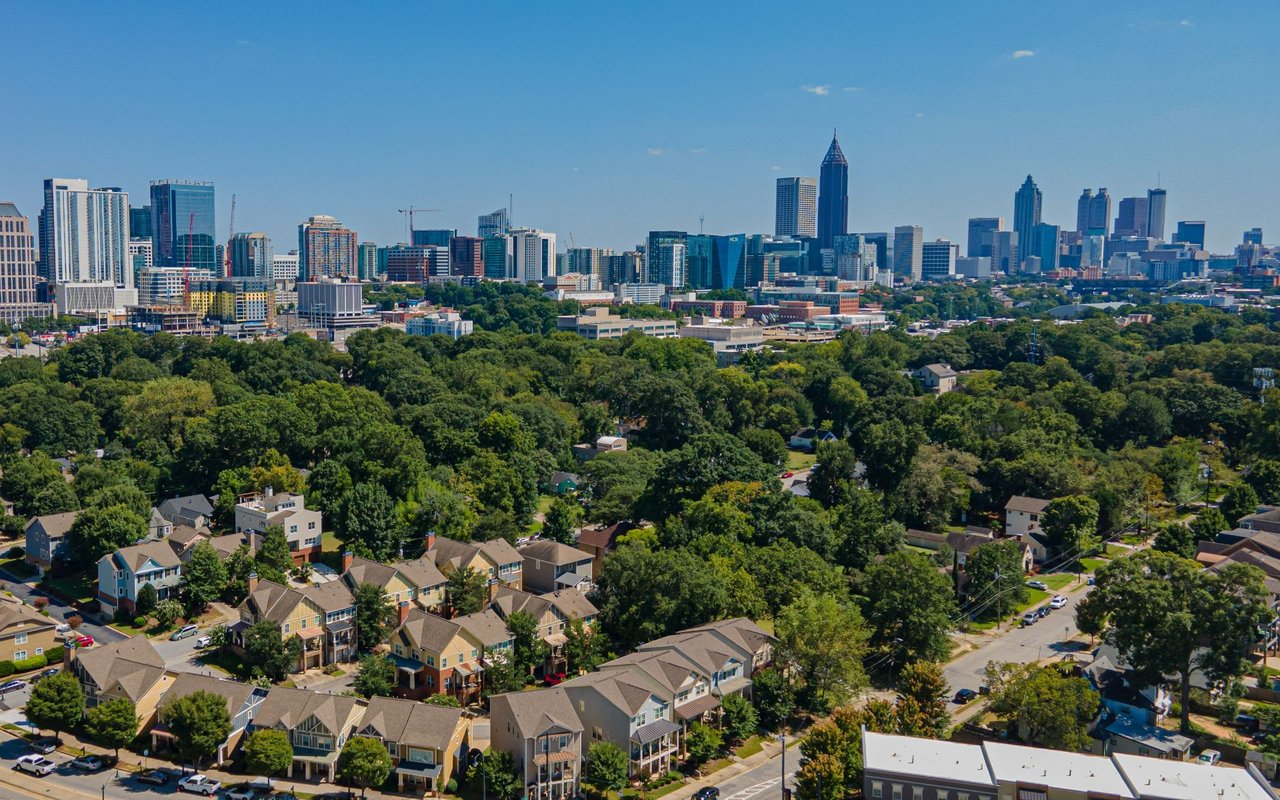
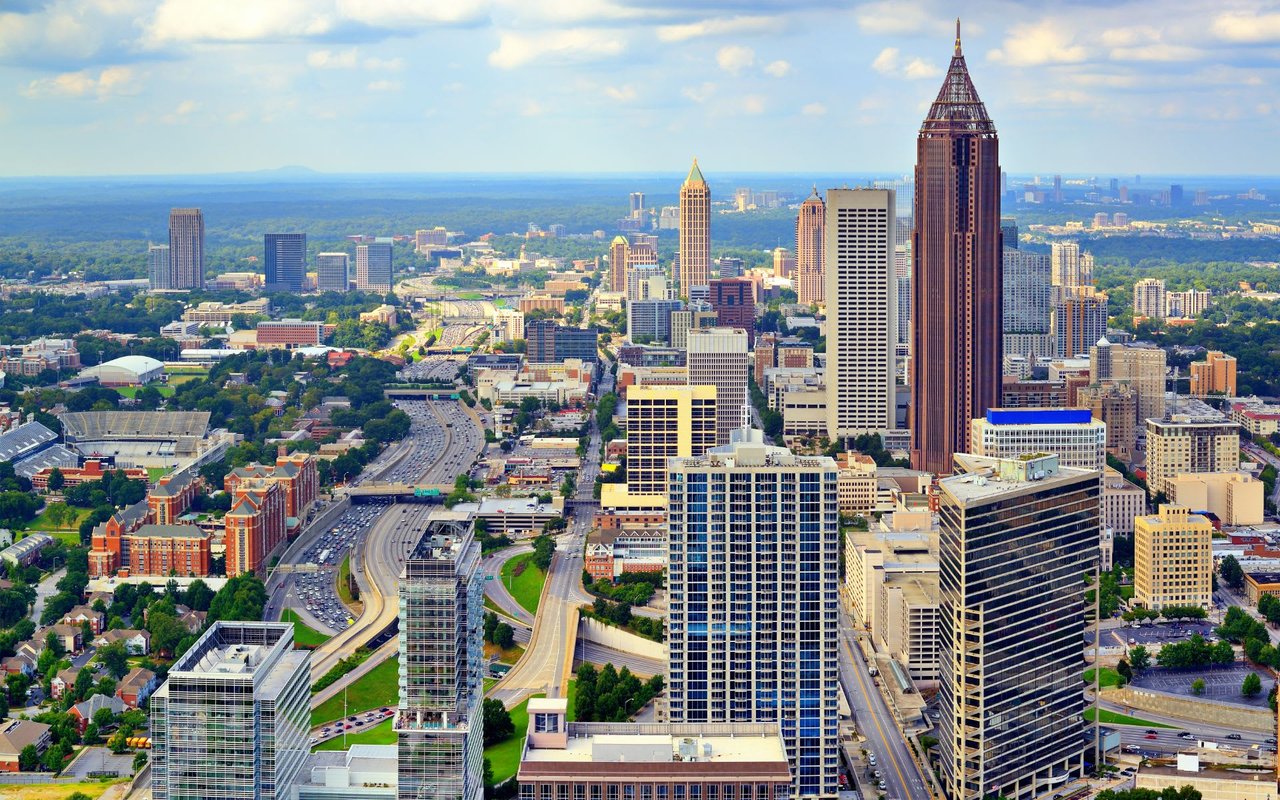
That single decision explains almost everything a buyer notices on their first drive through. The streets bend instead of intersecting. Lots sit at odd, generous angles. Small parks appear mid-block where a grid would have put another house. And the whole 200-acre enclave sits within walking distance of Midtown's office towers, the High Museum, and the northwest corner of Piedmont Park.
The result is a neighborhood that solves a problem most Atlanta buyers assume is unsolvable: how to own a genuine historic home on a quiet, canopied street without giving up intown access. Ansley Park is one of very few places in the city where that trade-off simply doesn't exist — which is also why it rarely has more than a handful of homes on the market at any given time.
Ansley Park sits in the 30309 ZIP code, directly north and east of Midtown's commercial core. Its shape is irregular, following topography rather than survey lines, but four edges define it:
Peachtree Street forms the western boundary, which is why the neighborhood's western streets — Peachtree Circle, 15th Street, and the upper stretches of Westminster — put residents a few minutes' walk from the Woodruff Arts Center and the High Museum of Art. This is the boundary that gives Ansley Park its cultural address.
Piedmont Avenue marks the east, backing the neighborhood onto Piedmont Park and the Atlanta Botanical Garden. Homes along this edge treat 185 acres of public park as a functional extension of their own yards.
15th Street anchors the south, forming the transition into dense high-rise Midtown. The Buford Spring Connector and Beverly Road close the north, separating Ansley Park from Sherwood Forest and Brookwood while providing the neighborhood's fastest highway on-ramp.
Inside those edges, The Prado functions as the spine — a broad, curving parkway that most residents use as their mental map of the neighborhood. Central Park Place, Peachtree Circle, Montgomery Ferry Drive, and Westminster Drive branch off it in loops that confuse first-time visitors and delight people who live here. The layout was intentional. Winding roads discourage cut-through traffic, which is a large part of why interior streets feel so removed from a city center that's technically four blocks away.
Edwin P. Ansley, a real estate developer, acquired the former George Washington Collier estate in 1904 and hired civil engineer Solon Z. Ruff to lay it out. Ruff's plan was a deliberate rejection of the rectilinear grid then standard in Atlanta development. Drawing on the naturalistic landscape tradition associated with Frederick Law Olmsted, he ran roads along the natural contours of the rolling terrain, preserved the creek beds and low points as parkland, and widened the streets to accommodate vehicles that most Atlantans didn't yet own.
That last point is the historically significant one. Ansley Park is generally recognized as Atlanta's first automobile suburb — a neighborhood designed for residents who would drive downtown rather than ride a streetcar line to it. At the time it was a speculative gamble. Within two decades it was the most prestigious address in the city.
The neighborhood's social prominence peaked in the mid-century. From 1921 to 1967, the Georgia Governor's Mansion stood at 205 The Prado, putting four decades of state political life inside the neighborhood's boundaries before the mansion relocated to West Paces Ferry. Homes here were commissioned from the architects who defined the look of prosperous Atlanta — Neel Reid and Philip Trammell Shutze among them — which is why the building stock reads more like a catalog of early-20th-century American residential design than a developer's product line.
Ansley Park was listed on the National Register of Historic Places in 1979. For buyers, that listing is more than a plaque. It signals that the streetscape a purchaser falls in love with in 2026 is substantially protected from the kind of teardown-and-rebuild churn that has reshaped other intown Atlanta neighborhoods over the past two decades.
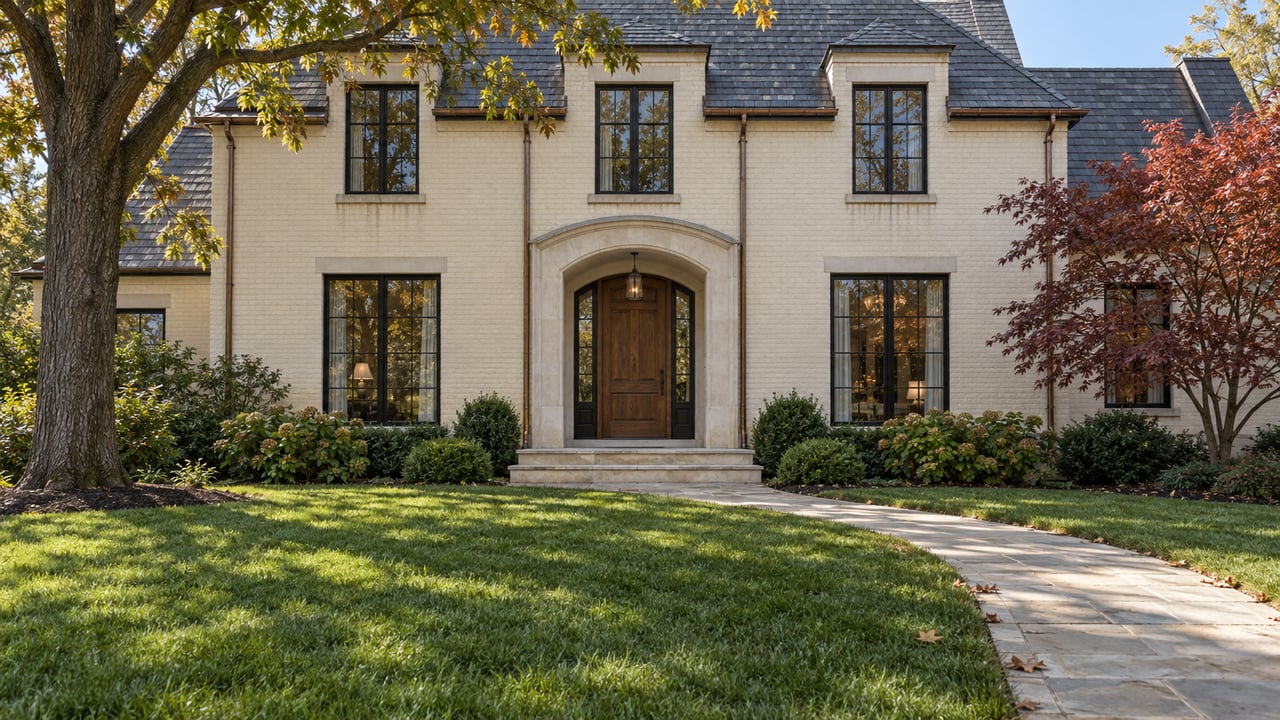
Nearly all of Ansley Park's housing stock dates to the 1905–1930 building boom, and the variety within that narrow window is the neighborhood's defining visual pleasure. A single block can move from a half-timbered Tudor to a columned Neoclassical to a low-slung Craftsman bungalow without feeling incoherent, because the scale, setbacks, and mature canopy hold it all together.
Tudor Revival homes are recognizable by decorative half-timbering, steeply pitched cross-gabled roofs, prominent brick or stone chimneys, and asymmetrical entries that break the symmetry of their neighbors.
Georgian Revival properties bring symmetrical brick facades, multi-pane double-hung windows, pedimented front doors, and restrained classical moldings — the most formal of the neighborhood's dominant styles.
Neoclassical residences are the ones that photograph best: full-height porch columns, ornate cornices, and imposing entry porticos, usually sited on elevated lots where the grade amplifies the effect.
Craftsman and Prairie homes offer the neighborhood's most approachable footprints, with low-pitched rooflines, exposed rafter tails, broad overhanging eaves, warm interior woodwork, and deep front porches on tapered square columns.
Modern infill does exist, concentrated on lots where original structures were lost. Contemporary custom construction here is generally required to respect the historic streetscape in massing and setback, which produces a very different result than infill in unregulated neighborhoods.
What buyers should understand about this mix: condition varies enormously, and two homes of identical style and square footage can differ by several hundred thousand dollars based on whether the roof, foundation, plumbing, electrical, and HVAC have been addressed. In a neighborhood where every house is roughly a century old, mechanical history matters as much as architectural pedigree.
Ansley Park is fully built out. There is no new land, no phased development, and no path to meaningful inventory growth. Everything that trades here is a resale of a finite housing stock, which produces a market defined by scarcity rather than absorption rate.
In practical terms, that means low inventory year-round, homes that come to market through relationships as often as through open listings, and price discovery that depends heavily on comparable sales that may be several months old. Here is how pricing generally distributes:
Property Category | Typical Price Range | Approximate Size | What Buyers Should Expect |
|---|---|---|---|
Condos and co-ops | $300,000 – $750,000+ | 700 – 1,800 sq ft | Perimeter buildings along Peachtree Street and Piedmont Avenue; the neighborhood's entry point |
Original and mid-sized homes | $700,000 – $1,200,000 | 1,500 – 2,500 sq ft | Craftsman bungalows and smaller historic footprints, frequently renovation candidates |
Renovated historic classics | $1,200,000 – $2,200,000 | 2,500 – 4,000 sq ft | Modernized interiors behind preserved period facades; turn-key |
Luxury historic estates | $2,200,000 – $4,500,000+ | 4,000 – 6,500+ sq ft | Prominent parkway siting, oversized lots, significant architectural provenance |
Single-family product generally trades between roughly $350 and $550 per square foot, with placement and preservation quality driving most of that spread. A home facing Winn Park or backing to Piedmont Park commands a premium that has little to do with interior finishes.
Two structural factors shape every transaction here. First, historic district guidelines govern exterior alterations, which protects long-term value but requires buyers with renovation plans to budget time for review as well as money for construction. Second, the Ansley Park Civic Association — voluntary, dues-funded — handles neighborhood security patrols, land use advocacy, traffic calming, and park maintenance. It is not an HOA with enforcement power, but its practical effect on curb appeal and perceived safety is significant, and participation rates are high.
For sellers, the scarcity cuts both ways. Demand is durable, but the buyer pool for a $3 million historic home with original systems is narrow and specific. Positioning matters more here than in a market where inventory turns quickly.
Historic estates represent the neighborhood's top tier. Built during the initial 1905–1930s boom, these Neoclassical, Tudor, and Georgian Revival residences sit on elevated lots along the major parkways — The Prado, Montgomery Ferry Drive, Westminster Drive. Many retain carriage houses, original stonework, and formal grounds. They appeal to buyers who want provenance and are prepared for the stewardship that comes with it.
Renovated classics are where most transactions happen. These are mid-sized Craftsman bungalows, Prairie homes, and traditional two-story houses that have been taken through substantial interior modernization — open kitchens, primary suites, updated systems — while retaining leaded glass, heavy millwork, and heart pine floors. They offer the neighborhood's best balance of character and livability, and they move fastest.
Condominiums and boutique infill cluster on the perimeter along Peachtree Street, 15th Street, and Piedmont Avenue. The range runs from 1920s brick mid-rise conversions to mid-century and contemporary units with balcony views over the canopy. For buyers who want the 30309 address, the park access, and the arts proximity without century-old maintenance obligations, this is the practical entry point — and it's frequently overlooked by people who assume Ansley Park is single-family only.
The green space is not an amenity layered onto Ansley Park. It's the organizing principle Solon Ruff designed around, and it operates at two scales.
The interior pocket parks are the ones residents actually use daily. Winn Park, along Prado Circle in the heart of the neighborhood, is built around a spring-fed pond with stone steps, shaded paths, and open lawn — the default location for neighborhood gatherings and dog walks. McClatchey Park, on the northern edge along Westminster Drive, offers tennis courts, a playground, and open green tucked along creek beds, making it the more family-functional of the two. Smaller triangles and traffic-circle plantings throughout the neighborhood carry the same effect at a block scale.
Then there's the regional scale. Piedmont Park borders the eastern edge — 185 acres with running trails, sports fields, the Clara Meer lake loop, and the calendar of festivals that defines Atlanta's spring and fall. Residents on Piedmont Avenue and the eastern streets effectively gain a backyard the size of a small town. And at the park's northeast corner, the Atlanta BeltLine Eastside Trail connects walkers and cyclists to Virginia-Highland, Old Fourth Ward, and Inman Park on a paved, car-free route.
The cumulative effect is that a resident can walk from a private front porch to a pocket park to a 185-acre urban park to a multi-use trail system spanning the east side of the city without ever getting in a car. Very few addresses in Atlanta offer that sequence.
Ansley Park's western boundary happens to be the front door of Midtown's Arts District, which changes how residents relate to cultural institutions. A symphony performance stops being an evening that requires planning and parking, and becomes a walk.
The High Museum of Art is the anchor — Richard Meier's original 1983 building expanded by Renzo Piano, holding a collection of more than 18,000 works spanning classical, modern, contemporary, and a nationally significant folk and self-taught art holding.
The Woodruff Arts Center shares the campus and houses the Grammy-winning Atlanta Symphony Orchestra and the Tony-winning Alliance Theatre, making it one of the largest arts complexes in the Southeast under a single roof.
The Atlanta Botanical Garden, adjacent to Piedmont Park on the neighborhood's eastern side, brings 30 acres of curated collections, the Canopy Walk, conservatories, and the seasonal light installations that have become an Atlanta tradition.
It's a genuine two-sided advantage: museums and concert halls west, gardens and park east, with the neighborhood in between.
The interior of Ansley Park is strictly residential — no storefronts, no restaurants, no commercial intrusion. That's by design and it's a large part of the appeal. But the perimeter is a different story.
Ansley Mall, on the eastern edge along Piedmont Avenue, handles everyday errands. It's an open-air center with grocery, pharmacy, boutique fitness, casual dining, and a direct connection toward the BeltLine Eastside Trail. Residents treat it as the neighborhood's utility corner rather than a destination.
Colony Square, at 14th and Peachtree, is the destination. Its redevelopment turned it into Midtown's dining hub, with the Politan Row food hall, chef-driven restaurants, cocktail bars, boutique retail, and a programmed outdoor plaza. From the southwestern streets of Ansley Park it's a walk of a few minutes.
Beyond those two anchors, Peachtree Street delivers the full Midtown range — steakhouses, sushi, patio dining, rooftop lounges at boutique hotels, wine bars, and live performance venues concentrated along the 10th and 14th Street corridors. Residents get proximity to all of it and quiet streets to come home to, which is the specific trade most intown buyers are trying to make and rarely manage.
Ansley Park falls within Atlanta Public Schools and the Midtown High School cluster, one of the district's stronger academic pipelines and one with notably active parent involvement.
Level | Zoned School | Notes |
|---|---|---|
Elementary (K–5) | Springdale Park Elementary or Morningside Elementary | Both are top-performing APS elementaries. Assignment splits by street address — verify before making an offer |
Middle (6–8) | David T. Howard Middle School | Old Fourth Ward campus, modernized facilities, strong STEM tracks |
High (9–12) | Midtown High School | Directly across from Piedmont Park; AP course catalog, AP Capstone Diploma, established fine arts program |
The elementary split is worth emphasizing. Two houses on the same street can feed different elementary schools, and that distinction affects both resale and daily logistics. It should be confirmed at the address level, not the neighborhood level.
For families choosing private education, Ansley Park's central position makes the commute manageable to most of Atlanta's established independent schools — The Westminster Schools, Pace Academy, and The Lovett School in Buckhead, Holy Innocents' Episcopal School in Sandy Springs, and Paideia School in Druid Hills.
Ansley Park scores in the 64–70 range on Walk Score, which undersells the actual experience. The interior streets are quiet and winding by design, so the score reflects a genuine lack of destinations inside the neighborhood. Walk out to any perimeter, though, and you're within five to fifteen minutes of office towers, groceries, museums, and restaurants.
MARTA rail access is the underrated asset. The Arts Center Station (Red and Gold lines) sits on West Peachtree at the neighborhood's western edge, with Midtown Station also within walking distance to the south. From Arts Center, it's a one-seat ride to Hartsfield-Jackson — roughly 25 minutes, no transfers, no parking deck. For frequent travelers, that alone justifies the address.
For drivers, the Buford Spring Connector at the northern boundary feeds directly onto I-75 and I-85, while Peachtree Street and Piedmont Avenue provide north-south surface routes through the city center. Commutes to Buckhead, Downtown, and Perimeter Center are short by Atlanta standards.
Residents who work in Midtown often find they've stopped driving on weekdays entirely. That's not a claim many Atlanta neighborhoods can make.
Is Ansley Park safe? It's widely regarded as one of Atlanta's safest intown neighborhoods. Beyond standard Atlanta Police Department coverage, the Ansley Park Civic Association funds a dedicated off-duty officer patrol covering neighborhood streets around the clock. The combination of that patrol, the absence of cut-through traffic, and high owner-occupancy produces a security profile unusual for an area this close to a major commercial district.
How does Ansley Park compare to Buckhead or Inman Park? Ansley Park occupies a middle ground that neither fully offers. It delivers large historic homes and lush lots comparable to Buckhead, but with Midtown's density, transit, and culture immediately at hand rather than a drive away. Compared to Inman Park — which grew along streetcar lines and developed a historic commercial core — Ansley Park was planned as a purely residential parkland retreat, so it has no internal retail and a quieter daily character.
Are there HOA fees in Ansley Park? No mandatory HOA. Ansley Park is a traditional single-family neighborhood, not a managed community. Ansley Park Civic Association membership is voluntary, with annual dues supporting the security patrol, park maintenance, and neighborhood events. Individual condominium buildings on the perimeter have their own association dues, which vary by building.
What is Ansley Golf Club? A private, member-owned club located inside the neighborhood along Montgomery Ferry Drive, with a historic nine-hole course, tennis facilities, pool, and dining. Membership is separate from residency, but the club's presence contributes to the neighborhood's social fabric and its green footprint.
Can I renovate a historic home in Ansley Park? Yes, though exterior work is subject to historic preservation review. Interior renovation is generally far more flexible. Buyers planning significant changes should factor approval timelines into their project schedule and work with contractors experienced in Atlanta's historic districts — the difference in outcome between a contractor who knows the process and one who doesn't is measured in months.
Why is inventory so limited? The neighborhood is fully built out, homes are held long-term, and a meaningful share of sales occur off-market. Buyers serious about Ansley Park should be positioned and pre-approved before the right property appears, because the window between listing and contract is often short.
Buying or selling in Ansley Park rewards local knowledge in a way that few Atlanta neighborhoods do. Elementary zoning splits mid-street. Pricing hinges on whether a home's systems were updated in 2005 or 2022. The best properties frequently trade before they're publicly listed. And renovation potential depends on preservation guidelines that aren't obvious from a listing photo.
Katie McGuirk and Kelly Ruddell bring deep experience in Atlanta's luxury and historic intown markets, tracking neighborhood-level activity that includes active listings, recent closings, off-market opportunities, and emerging development nearby. Whether you're evaluating your first historic purchase, positioning an estate for sale, or simply trying to understand what your Ansley Park home is worth in today's market, they provide the hands-on guidance and precise market insight the neighborhood requires.
Reach out to start the conversation:
Email: [email protected]
Phone: (404) 808-0881
There's plenty to do around Ansley Park, including shopping, dining, nightlife, parks, and more. Data provided by Walk Score and Yelp.
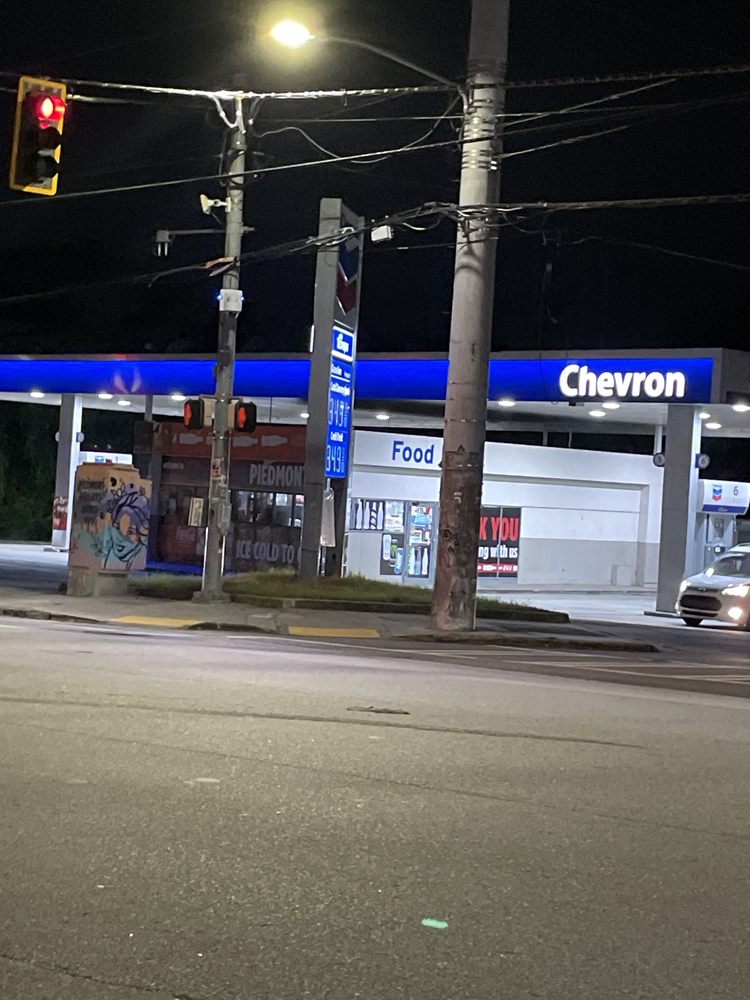
Explore popular things to do in the area, including Chevron, Clear Creek Center, and Constant Beacon Publishing.
| Name | Category | Distance | Reviews |
Ratings by
Yelp
|
|---|---|---|---|---|
| Dining | 0.53 miles | 3 reviews | 1/5 stars | |
| Shopping | 0.56 miles | 0 reviews | 0/5 stars | |
| Shopping | 0.71 miles | 0 reviews | 0/5 stars | |
| Active | 0.14 miles | 0 reviews | 0/5 stars | |
| Active | 0.14 miles | 0 reviews | 0/5 stars | |
| Active | 0.48 miles | 0 reviews | 0/5 stars | |
| Active | 0.77 miles | 0 reviews | 0/5 stars | |
| Active | 0.78 miles | 0 reviews | 0/5 stars | |
| Active | 0.8 miles | 0 reviews | 0/5 stars | |
| Active | 0.8 miles | 0 reviews | 0/5 stars | |
| Beauty | 0.41 miles | 0 reviews | 0/5 stars | |
| Beauty | 0.45 miles | 0 reviews | 0/5 stars | |
| Beauty | 0.45 miles | 0 reviews | 0/5 stars | |
| Beauty | 0.45 miles | 0 reviews | 0/5 stars | |
| Beauty | 0.45 miles | 0 reviews | 0/5 stars | |
| Beauty | 0.46 miles | 2 reviews | 5/5 stars | |
| Beauty | 0.47 miles | 0 reviews | 0/5 stars | |
| Beauty | 0.47 miles | 2 reviews | 5/5 stars | |
| Beauty | 0.48 miles | 0 reviews | 0/5 stars | |
| Beauty | 0.48 miles | 0 reviews | 0/5 stars | |
| Beauty | 0.48 miles | 0 reviews | 0/5 stars | |
| Beauty | 0.48 miles | 0 reviews | 0/5 stars | |
| Beauty | 0.48 miles | 0 reviews | 0/5 stars | |
| Beauty | 0.78 miles | 0 reviews | 0/5 stars | |
|
|
||||
|
|
||||
|
|
||||
|
|
||||
|
|
||||
|
|
Ansley Park has 1,658 households, with an average household size of 2. Data provided by the U.S. Census Bureau. Here’s what the people living in Ansley Park do for work — and how long it takes them to get there. Data provided by the U.S. Census Bureau. 3,253 people call Ansley Park home. The population density is 7,094 and the largest age group is Data provided by the U.S. Census Bureau.
Total Population
Population Density Population Density This is the number of people per square mile in a neighborhood.
Median Age
Men vs Women
Population by Age Group
0-9 Years
10-17 Years
18-24 Years
25-64 Years
65-74 Years
75+ Years
Education Level
Total Households
Average Household Size
Average individual Income
Households with Children
With Children:
Without Children:
Marital Status
Blue vs White Collar Workers
Blue Collar:
White Collar: