By The Katie McGuirk Team
So, you’ve found your dream home in Buckhead. The photos looked stunning, the location is perfect, and the floor plan fits your lifestyle. Now comes one of the most important steps before you can truly call it yours: the home inspection. For many buyers, this process can feel a little daunting, especially if you’re purchasing a property for the first time or haven’t bought a home in years.
But don’t worry; understanding how home inspections work will give you more confidence and help you make informed decisions. Whether you’re buying a modern condo or a classic estate, knowing what to expect from the inspection process can make all the difference in your experience.
Key Takeaways
- Discover what a home inspection entails and why it matters.
- Get a detailed walkthrough of what inspectors look for.
- Determine what happens after the inspection and how to use your report.
- Find answers to common questions that buyers have.
What Is a Home Inspection?
When you’re buying real estate, a home inspection is a professional evaluation of the property’s condition. This process gives you a comprehensive understanding of the house’s structure, systems, and potential issues before you complete your purchase. An inspection can reveal both routine maintenance needs and unique concerns specific to older or luxury properties.
The inspection is typically held after your offer is accepted, during the “due diligence” period. You hire a licensed home inspector, who then examines everything from the foundation to the roof. The inspector then delivers a detailed report outlining their findings, so you know exactly what you’re getting into.
The inspection is typically held after your offer is accepted, during the “due diligence” period. You hire a licensed home inspector, who then examines everything from the foundation to the roof. The inspector then delivers a detailed report outlining their findings, so you know exactly what you’re getting into.
Why It Matters
- Buckhead’s homes often have unique architectural styles or features that require specialized knowledge.
- Inspections can help protect your investment by highlighting costly repairs or potential issues upfront.
- You get the chance to negotiate repairs, credits, or even reconsider the purchase based on the results.
Key Points to Remember
- The due diligence window is typically 7-10 days, so timing matters.
- We can recommend trusted inspectors who understand the Buckhead real estate market.
Preparing for the Home Inspection
Preparation makes a notable difference in how smooth and productive your inspection will be. As the buyer, there are several things you can do to get ready and set yourself up for success.
First, choose a reputable, licensed inspector with experience in Buckhead homes. We can provide recommendations, but don’t hesitate to read online reviews and ask for references or sample reports. Make sure the inspector is familiar with the types of homes common in the area.
Next, block out your schedule so that you can attend the inspection in person if possible. This is your opportunity to see any issues firsthand, ask questions about any concerns, and get practical advice about property maintenance and repairs.
First, choose a reputable, licensed inspector with experience in Buckhead homes. We can provide recommendations, but don’t hesitate to read online reviews and ask for references or sample reports. Make sure the inspector is familiar with the types of homes common in the area.
Next, block out your schedule so that you can attend the inspection in person if possible. This is your opportunity to see any issues firsthand, ask questions about any concerns, and get practical advice about property maintenance and repairs.
Ways to Prepare
- Schedule the inspection early within your due diligence period.
- Plan to attend the inspection and allow for a few hours of time.
- Prepare a list of questions or concerns you have about the home.
What Happens During the Home Inspection?
On the inspection day, your inspector will methodically go through the home, inside and out. The process usually takes two to four hours, depending on the size and complexity of the property. As the buyer, you’re encouraged to be present so that you can see the inspector’s findings in real time.
Your inspector will start with a visual assessment of the property’s major systems and components. This includes the roof, foundation, exterior siding, doors, windows, plumbing, electrical system, HVAC units, insulation, appliances, and more. In Buckhead, inspectors are especially mindful of items like older electrical wiring, HVAC system age, water drainage patterns, and signs of foundation settling.
The inspector will take notes and photos along the way, flagging anything that seems out of the ordinary. They’ll also explain what they’re seeing, so you gain a better understanding of how the home works and what might need attention in the future.
Your inspector will start with a visual assessment of the property’s major systems and components. This includes the roof, foundation, exterior siding, doors, windows, plumbing, electrical system, HVAC units, insulation, appliances, and more. In Buckhead, inspectors are especially mindful of items like older electrical wiring, HVAC system age, water drainage patterns, and signs of foundation settling.
The inspector will take notes and photos along the way, flagging anything that seems out of the ordinary. They’ll also explain what they’re seeing, so you gain a better understanding of how the home works and what might need attention in the future.
Typical Inspection Steps
- Outside, the inspector checks the roof, gutters, siding, grading, and drainage.
- Inside, they test outlets, fixtures, and appliances and inspect ceilings, walls, and floors.
- The inspector summarizes findings for you, often pointing out both positive and negative aspects.
What Do Inspectors Look For?
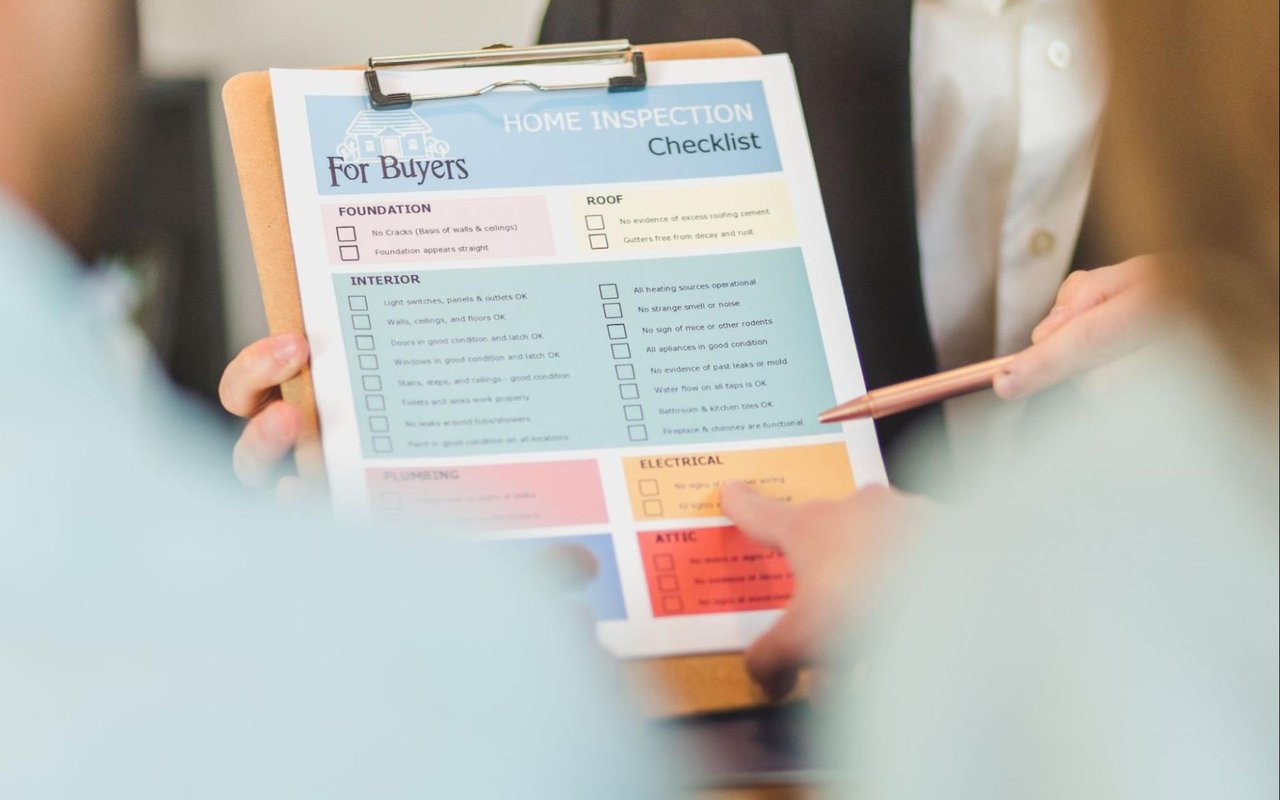
Every inspector works from a standard checklist, and some features deserve extra attention. Homes in Buckhead may have original hardwood floors, intricate woodwork, older plumbing or wiring, and even custom additions that need a careful eye.
Your inspector will look for:
Your inspector will look for:
- Structural integrity: Signs of shifting, cracks, or water intrusion that can sometimes be common in older homes.
- Electrical systems: Outdated panels, ungrounded outlets, or amateur wiring in renovations.
- Plumbing: Old pipes (such as galvanized steel), leaks, or poor drainage that can impact daily living.
- HVAC: The age, functionality, and maintenance of heating and air systems.
- Roof and attic: Potential leaks, missing shingles, insulation quality, or pest intrusion.
- Appliances: Operation and safety of kitchen appliances and laundry systems.
- Water intrusion: Drainage or moisture challenges.
Common Areas of Focus
- Structural issues, especially in older homes
- Electrical and plumbing system
- Roof age and water leaks
- Window quality and operation
- HVAC system age and functionality
Understanding the Inspection Report
After your inspection, the inspector will prepare a detailed report, usually within 24-48 hours. This report will include descriptions, photos, and recommendations for each part of the house.
While it might feel overwhelming at first, remember that most homes will have at least a few minor issues at hand. The key is to focus on significant repairs or problems that could impact your decision.
We will read through the report together and discuss which items are urgent, which are routine maintenance, and which might be negotiable with the seller. It’s not unusual to see requests for repairs or credits, especially if the inspection reveals items like an aging roof or older HVAC.
While it might feel overwhelming at first, remember that most homes will have at least a few minor issues at hand. The key is to focus on significant repairs or problems that could impact your decision.
We will read through the report together and discuss which items are urgent, which are routine maintenance, and which might be negotiable with the seller. It’s not unusual to see requests for repairs or credits, especially if the inspection reveals items like an aging roof or older HVAC.
How to Review the Report
- Read the summary and highlight major findings or safety concerns.
- Take note of any issues that may affect the value or comfort of the home.
- Use the report to prioritize repairs, both before closing and for future maintenance.
What to Expect in Your Report
- Photos of specific concerns
- Detailed descriptions of any issues
- Recommendations for repairs, further evaluations, or updates
Negotiating Repairs or Credits After Your Inspection
Once you have your inspection report in hand, it’s time to decide what comes next. We will help you determine which items are worth addressing and how to approach negotiations.
You may request that the seller complete certain repairs before closing, offer a price reduction, or provide a credit so you can make the repairs yourself.
Be realistic about what to expect. Most sellers will address significant safety or mechanical issues, but they may not agree to every cosmetic fix. The goal is to reach a fair agreement so that you can proceed with confidence.
You may request that the seller complete certain repairs before closing, offer a price reduction, or provide a credit so you can make the repairs yourself.
Be realistic about what to expect. Most sellers will address significant safety or mechanical issues, but they may not agree to every cosmetic fix. The goal is to reach a fair agreement so that you can proceed with confidence.
Tips for Successful Negotiations
- Focus on major systems or repairs that affect habitability, safety, or future expenses.
- Be open to solutions like credits instead of completed repairs.
FAQs
What Is Included In A Typical Home Inspection?
A standard inspection covers the home’s structure, roof, electrical, plumbing, HVAC, windows, doors, appliances, attic, and basement or crawlspace. Inspectors also check for visible signs of damage, water intrusion, or unsafe conditions.
How Long Does A Home Inspection Take?
Most inspections take two to four hours, depending on the property’s size, features, age, and condition. Older or larger homes may take longer due to more systems or features to evaluate.
Should I Attend The Home Inspection As A Buyer?
Yes, it’s highly recommended that you attend the inspection if possible. You’ll get the chance to see any issues in real time, ask questions, and learn more about the house you’re buying.
What If The Inspection Finds Problems?
If the inspection uncovers major issues, you can negotiate with the seller for repairs, credits, or a price reduction. We will guide you through your options based on the findings.
Ready To Move Forward? Here’s Your Next Step
The home inspection process is one of the smartest steps you’ll take as a Buckhead buyer. By choosing the right inspector, preparing ahead of time, and understanding what to expect, you’ll feel empowered and informed throughout your Atlanta home search.
Ready to take the next step with confidence? When you work with us at The Katie McGuirk Team, you get a partner who understands Buckhead’s real estate market inside and out — and who will guide you through every detail of the inspection process.
Ready to take the next step with confidence? When you work with us at The Katie McGuirk Team, you get a partner who understands Buckhead’s real estate market inside and out — and who will guide you through every detail of the inspection process.
Reach out today, and let’s make your Buckhead move a seamless, stress-free experience.