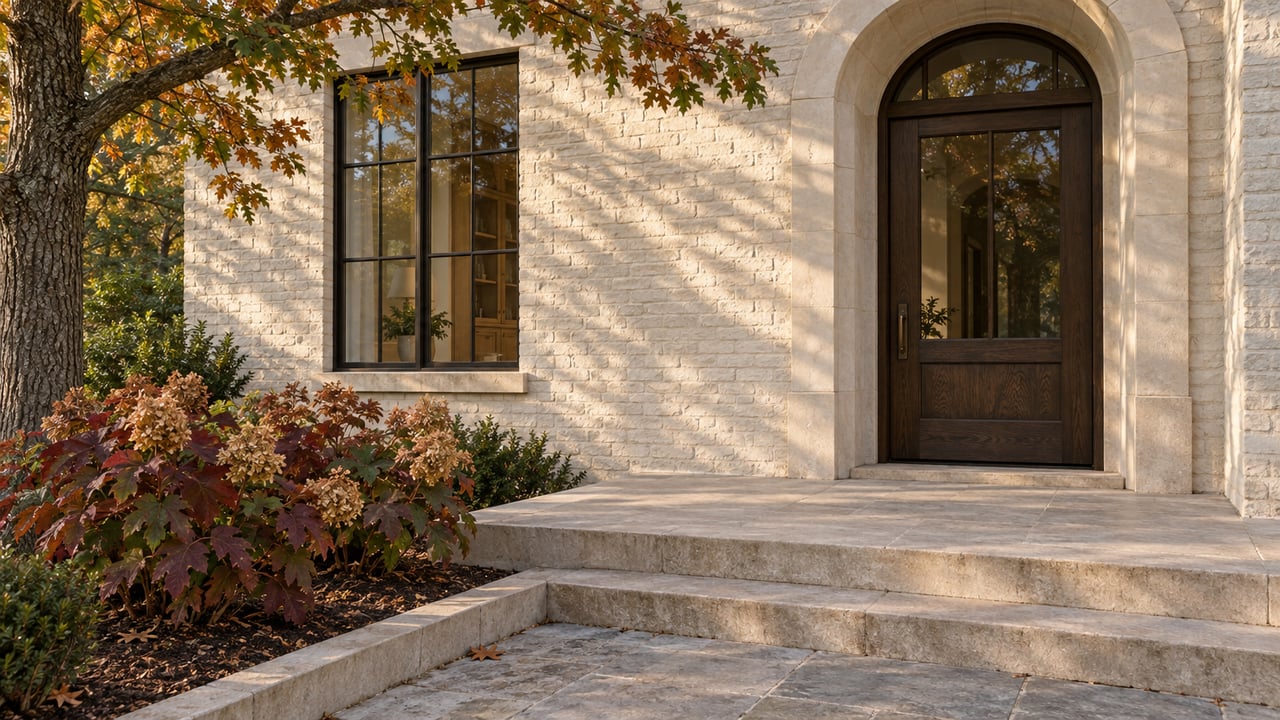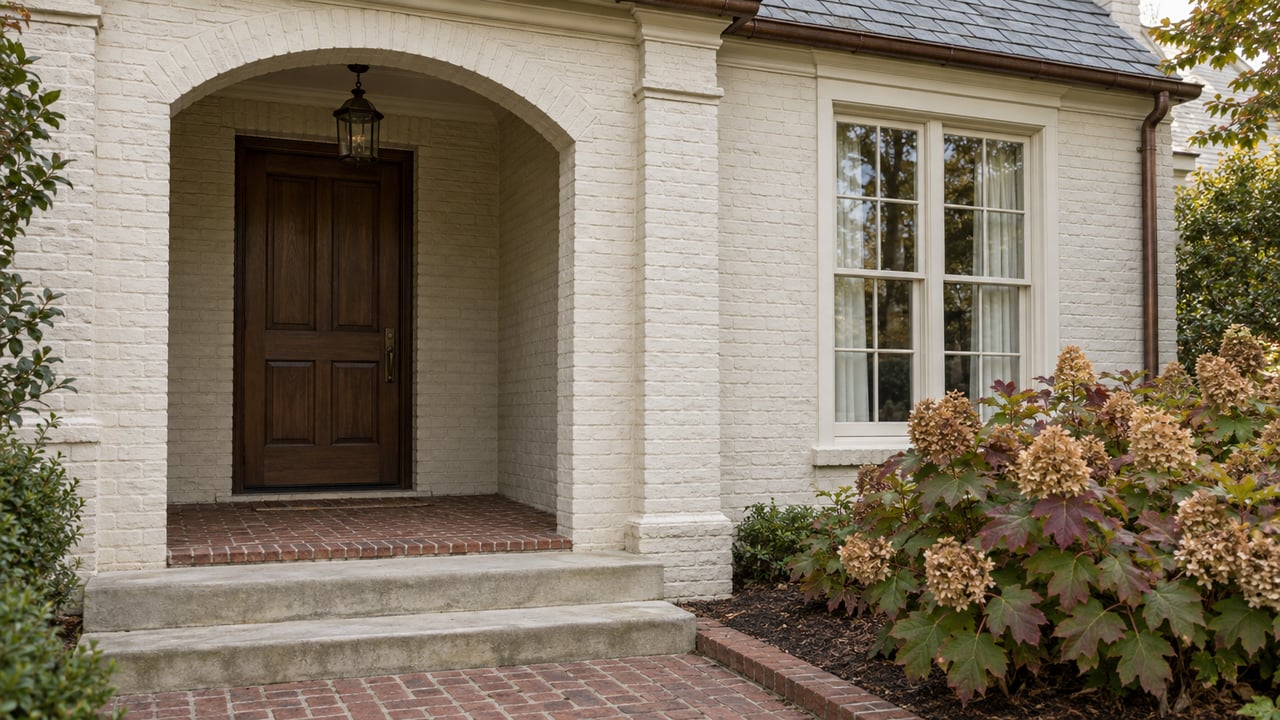
On January 20, 2026, an American Craftsman house that had stood on Peachtree Circle for more than a century came down. Its new owners plan to build a larger house on the lot, which is just over an acre. Rough Draft Atlanta reported that the city had approved the demolition permit.
That approval rests on a distinction that is easy to miss. Ansley Park has been on the National Register of Historic Places since 1979, and the listing does nothing to stop a house from being torn down or its facade from being changed. Only a City of Atlanta historic designation can do that, and Ansley Park has never had one.
This fall's vote kept it that way. So anyone shopping here buys a house with a historic name and no historic rules. That arrangement shapes what you can do with your own property, and it shapes what your neighbor can do with theirs.
Two Designations That Do Different Jobs
The confusion makes sense, because "historic" means two different things in Atlanta. The National Register is federal recognition. A city historic district is a zoning tool with review authority behind it. Under a city district, demolition or exterior changes to contributing properties can require certification from the Atlanta Urban Design Commission. The city's historic preservation office says the type of certificate, and whether a project goes to a public hearing or a staff review, depends on the property's designation and the scope of the work.
| National Register | City of Atlanta historic district | |
|---|---|---|
| Applies to Ansley Park | Yes, since 1979 | No |
| Prevents demolition | No | Can require Urban Design Commission certification for contributing properties |
| Reviews facade changes | No | Yes, for exterior alterations under the proposed Peachtree Circle ordinance |
| Interior-only work | Not reviewed | Not reviewed under the proposed Peachtree Circle ordinance |
The proposed Peachtree Circle ordinance would have covered exterior alterations, not interior-only changes, and it included design standards for new principal structures. That is the set of rules Peachtree Circle came close to adopting.
Why the Rules Keep Failing
The January teardown restarted an argument the neighborhood has been having for years. Rough Draft reported that District 6 Council member Alex Wan counts at least three attempts to create an Ansley Park historic district since he took office in 2010. Each of those efforts would have covered the whole neighborhood. The most recent one fell apart in 2022, after the neighborhood split over the issue and a lawsuit filed by a property rights advocate ended the movement.
The 2026 effort was narrower by design. It covered a single street. Peachtree Circle runs parallel to Peachtree Street between Beverly Road and 15th Street, and some of its homes date to the turn of the 20th century. Wan said the application was submitted by 11 of the 60-plus property owners it would have affected. In July, the Ansley Park Civic Association's zoning committee found the proposal consistent with the neighborhood's master plan, and it moved on to NPU-E and the city's Zoning Review Board.
It ended at City Council on September 8. Council voted 11 to 4 to file ordinance 26-O-1406, which means the proposal dies in the legislative process. According to Rough Draft's account of the meeting, Wan asked for the filing because neighbors had not reached a supermajority in favor of the zoning change. "We've been threatened by litigation on both sides," he said.
The pattern explains why the rules never arrive. Each attempt needs broad agreement among owners, and owners weigh the restrictions differently. Without a supermajority, a proposal stalls. Meanwhile the teardowns that prompt each new attempt go through the standard permit process.
The Research Doesn't Settle the Value Question Either
Both sides argued about money. Opponents feared the district would lower property values. Rough Draft quoted David Y. Mitchell, executive director of the Atlanta Preservation Center, saying that Atlanta's protected historic districts have held and gained value, often increasing more than surrounding communities.
The most relevant study is economist Carlianne Patrick's "The Value of Historic District Status," and its findings sit awkwardly with both positions. The 2023 working paper drew on Fulton and DeKalb County home sales from 1990 to 2015. It compared designated districts with districts that had been proposed or found eligible but never designated. That version found prices rose 14 to 17 percent after National Register listing. Once it separated out districts holding both designations, it found no effect from local designation.
The version published in 2025 in Regional Science and Urban Economics reports a 9 to 12 percent increase after National Register listing. After accounting for the overlap, it reports substantial price declines from local designation. It also tracks what owners did with their property. National Register listing was associated with more new construction and subdivision. Local designation was associated with more permitted renovations and less new construction.
Put that next to Ansley Park and January's rebuild fits the pattern the study describes. Ansley Park has the designation the research links to higher prices and more rebuilding. It lacks the designation linked to renovation over replacement. A historic label without historic review attracts buyers for its name, and no design review stands in the way of building something new.
What a Buyer Is Actually Buying
That combination makes the ownership terms in Ansley Park unusual, and it is the transaction detail most likely to surprise someone coming from a designated district. A buyer gets the freedom to renovate, expand or rebuild within the parcel's zoning, with no Urban Design Commission certificate standing between the plan and a permit. Every neighbor has the same freedom. A deep porch and a century-old facade next door are there because the current owner chooses to keep them, not because any rule requires it.
On a large lot, that freedom has value in two directions. The lot itself can carry a price that reflects what could be built on it. The block's character, though, depends on many separate decisions by many owners.
The city doesn't apply one zoning designation to every Ansley Park lot. Its property information GIS lets you search a specific address or parcel to see its zoning and related details. The city also notes that demolition work generally requires Department of City Planning approval and permits, and the review depends on scope and zoning. Individual landmarks follow different rules. The Randolph-Lucas-Jones House, which was saved from demolition and moved to Peachtree Circle, received City landmark designation in 2025. Checking the specific parcel before an offer, and the parcels beside it, is basic due diligence here.
This is general information, not legal advice. Anyone weighing a renovation, a teardown or a purchase based on what zoning allows should confirm the details for their parcel with a land use attorney and the City.
What Could Still Change
The September vote ended one proposal. It didn't end the question. At the same meeting, Council member Michael Julian Bond asked whether Wan would support a district covering only the parcels whose owners want it. Wan said yes, but the process would have to start over.
Council member Mary Norwood pointed to a different approach. Her Tuxedo Park neighborhood went through a similar fight and settled it with an overlay district, which she described as less restrictive than a historic district but still a form of "protection on the redevelopment or the characteristics of the area." That overlay is SPI-25, created by ordinance 23-O-1011. It regulates lot pattern, setbacks, landscaping, open space and subdivision, including lot width, depth and orientation standards. It does not review architecture. As of this writing, no Ansley Park overlay has been filed.
Ansley Park does have a plan. The city's NPU updates confirm that Council adopted the Ansley Park Neighborhood Conservation Study in September 2025. A plan sets policy. It is not a zoning restriction on any single lot. Preservationists also haven't given up. "Just because one group says no doesn't mean they accept it," Mitchell told Rough Draft after the vote.
The next public gathering is the APCA Annual Meeting on Thursday, November 12, at Ansley Golf Club. Registration opens at 6:30 p.m., the business meeting starts at 7 p.m., and 2026–2027 dues must be paid to attend. Another land use question is on the neighborhood's list. The Atlanta Botanical Garden plans to expand along Piedmont Avenue north to the BeltLine, and APCA's zoning committee has been reviewing the plan with particular attention to traffic and parking.
Frequently Asked Questions
Is Ansley Park a historic district? It has been listed on the National Register of Historic Places since 1979. It isn't a City of Atlanta historic district, which is the designation that can require review of demolitions and exterior changes.
What happened to the Peachtree Circle proposal? On September 8, 2026, City Council voted 11 to 4 to file ordinance 26-O-1406, which ended the proposal. Any new district, including one limited to consenting parcels, would have to start the process over.
Do historic districts raise or lower home values in Atlanta? The research is mixed. Carlianne Patrick's work links National Register listing to price gains. Her 2023 working paper found no effect from local designation, and her 2025 published version reports declines.
When the house next door can change, what you're buying in Ansley Park comes down to the parcel, the street and the lots around it. If you're weighing a home on Peachtree Circle or anywhere else in the neighborhood, The Katie McGuirk Team will walk through that due diligence with you, lot by lot, before you make an offer. Contact Us.